Most people don’t think much about water until it starts becoming inconvenient. That’s usually how it begins — not with some dramatic health scare or plumbing disaster, but with little annoyances that quietly pile up over time.
Your dishes come out spotty no matter how carefully you rinse them. White residue keeps forming around faucets. Maybe the tap water smells faintly like a swimming pool some mornings, or your freshly washed laundry somehow feels stiff instead of clean.

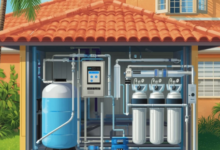
At first, it’s easy to ignore these things. Life gets busy. You assume it’s normal. But eventually, those tiny frustrations start pointing toward a bigger conversation about the water running through your home every single day.
And honestly, it’s a conversation more homeowners are having lately.
Water Quality Isn’t Always Obvious
One of the strange things about household water is that problems often hide in plain sight. Water can look perfectly clear and still contain minerals or chemicals affecting taste, comfort, plumbing, and appliances behind the scenes.
A neighbor of mine once complained for months about why her skin always felt dry after showering. She changed soaps, lotions, shampoos — everything except the actual water. Turns out the issue wasn’t skincare at all. It was the mineral content flowing through her pipes.
That’s the tricky part. Water problems don’t always announce themselves clearly.
Sometimes the clues show up in your bathroom fixtures. Sometimes in your coffee maker. Sometimes in your hair. And occasionally, the signs become expensive only after years of buildup quietly damaging appliances and plumbing systems.
Hard Water Has a Bigger Impact Than People Realize
If you’ve ever noticed chalky residue around faucets or soap that refuses to lather properly, there’s a good chance hard water is involved.
Water hardness happens when water contains elevated levels of minerals like calcium and magnesium. It’s incredibly common, especially in certain regions, and while it’s not necessarily dangerous, it can definitely become frustrating over time.
Hard water affects things people don’t immediately connect to water itself:
shorter appliance lifespan,
stiff laundry,
cloudy dishes,
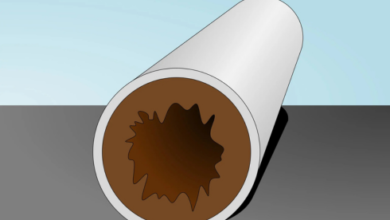
scale buildup inside pipes and water heaters.
Even showers feel different. Soap rinses less effectively, and skin can end up feeling dry or itchy afterward.
What’s funny is how quickly people notice the difference once hard water is treated properly. Towels feel softer. Glassware looks cleaner. Faucets stop developing crusty white buildup every few days. Small improvements, maybe, but the kind that quietly improve everyday life.
Iron in Water Can Be Surprisingly Noticeable
Another issue many homeowners encounter is excess iron in their water supply. This is especially common in homes using well water, though municipal systems aren’t completely immune either.
Iron problems tend to leave visible clues behind. Rust-colored stains around sinks, toilets, or tubs are often the first giveaway. Some people notice a metallic taste in drinking water, while others realize their white laundry keeps developing orange or yellowish discoloration.
I remember visiting a rural property once where the homeowners thought their washing machine was broken because clothes kept staining unpredictably. Nope — the water itself contained high iron levels.
The tricky thing is that people often treat symptoms instead of identifying the actual source. They scrub stains constantly or replace fixtures without realizing the water composition is causing the issue repeatedly.
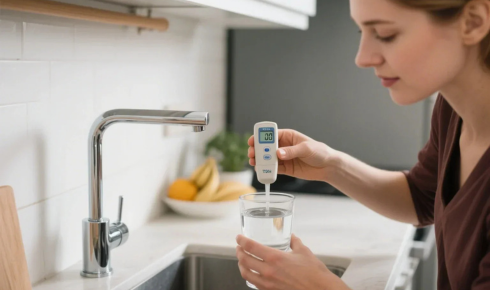
That’s why testing matters. Guesswork rarely solves water problems long term.
Chlorine Isn’t Always Invisible
Municipal water systems frequently use chlorine to disinfect water supplies and keep harmful bacteria under control. In many cases, that’s a good thing. But sometimes homeowners become sensitive to the smell, taste, or overall feel of heavily chlorinated water.
You can usually recognize it immediately — that swimming-pool scent coming from the shower or sink.
For some people, chlorine-heavy water affects drinking taste. Others notice dry skin or dull hair after repeated exposure. Again, these aren’t always major health concerns, but they do affect comfort and daily routines more than people expect.
And comfort matters. Home should feel comfortable.
It’s easy to underestimate how much water shapes daily life until the quality improves. Better showers. Cleaner-tasting tea. Softer laundry. Even cooking can feel different when water tastes cleaner and more balanced.
Not Every Home Needs the Same Fix
This is where many homeowners get overwhelmed. The internet floods people with filtration ads, complicated treatment systems, and conflicting opinions. One article says everyone needs reverse osmosis. Another insists water softeners solve everything.
Reality is more nuanced than that.
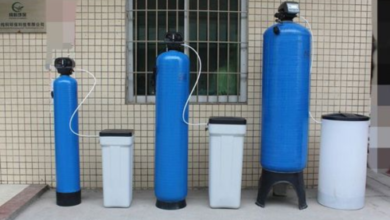
Different homes have different water challenges depending on location, plumbing age, municipal supply, or groundwater conditions. Some families only need basic filtration. Others benefit from softening systems or specialized treatment for iron or sediment.
That’s why testing first usually makes the most sense. You can’t solve a problem properly if you don’t actually know what the problem is.
And honestly, some homeowners discover their water is mostly fine with only minor adjustments needed. That reassurance can be valuable too.
Better Water Quietly Improves Everyday Life
Water treatment probably isn’t the most exciting home topic in the world. Nobody hosts dinner parties to show off their filtration setup. But once people experience cleaner, more balanced water, they rarely want to go back.
Because good water changes ordinary moments.
Morning coffee tastes better.
Showers feel more refreshing.
Appliances last longer.
Cleaning becomes easier.
The house simply feels more comfortable overall.
And maybe that’s why more people are finally paying attention to what comes out of the tap. Not because they’re chasing perfection or reacting to fear-driven marketing, but because water quietly touches nearly every part of daily life.
Sometimes the smallest improvements end up making the biggest difference — especially when they happen dozens of times a day without you even noticing anymore.