Most people want their home’s water to look clear, taste fresh, and feel safe. That sounds simple enough. Turn on the tap, fill a glass, and move on with the day. But water quality is not always something you can judge by sight alone. Some concerns have no colour, no smell, and no obvious warning sign.
That is what makes modern water treatment so important. It’s no longer just about removing a bad taste or stopping cloudy ice cubes. Homeowners are becoming more aware of hidden contaminants, aging infrastructure, local water concerns, and the limits of basic filtration. And honestly, once you start thinking about what water passes through before it reaches your kitchen sink, it makes sense to pay attention.
Why Clear Water Isn’t Always Clean Water
A glass of water can look perfectly fine and still contain things you may not want to drink every day. Sediment, chlorine byproducts, heavy metals, chemicals, and other impurities can be present depending on the source, plumbing, and local conditions.
This does not mean every home has a serious water problem. But it does mean guessing is not good enough. A proper water test can help identify what is actually present. From there, homeowners can choose treatment equipment based on facts instead of fear or marketing claims.
Water quality should be approached calmly and practically. Not every issue needs the most expensive system. But the right system can make a real difference.
The Growing Concern Around PFAS
In recent years, more homeowners have started asking about “forever chemicals.” PFAS are a group of man-made chemicals that have been used in many industrial and consumer products. They are called persistent because they do not break down easily in the environment.
That is why PFAS removal has become an important topic in residential water treatment. These contaminants are not something most people can detect by taste or smell, so testing and proper treatment matter. Depending on the water conditions, specialised filtration technologies may be recommended to help reduce PFAS levels in drinking water.
The important thing is not to panic, but to be informed. Knowing what is in your water gives you the power to make smarter decisions for your household.
Why Reverse Osmosis Is Often Recommended
When the goal is cleaner drinking and cooking water, reverse osmosis often comes into the conversation. It is a treatment method that pushes water through a semi-permeable membrane, helping reduce many dissolved substances that standard filters may not catch.
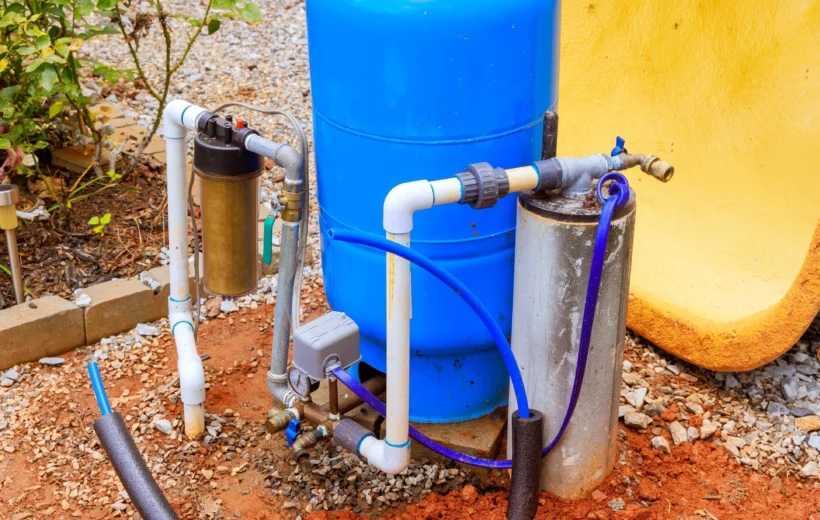
Modern reverse osmosis systems are commonly installed under the kitchen sink or as part of a targeted drinking water setup. They can help improve taste, reduce certain contaminants, and provide a more dependable source of filtered water for drinking, cooking, coffee, tea, and ice.
RO systems are especially useful when homeowners want focused treatment at the tap they use most for consumption. They are not always meant to treat every gallon of water in the house, but for drinking water, they can be a strong option.
Not All Filtration Works the Same Way
One of the biggest misunderstandings about water treatment is thinking that all filters do the same job. They don’t. A carbon filter may help with chlorine taste and odour. A sediment filter may catch particles. A softener may reduce hardness minerals. Reverse osmosis may reduce many dissolved contaminants. Specialty media may target specific concerns.
That’s why contaminant removal should always be matched to the actual issue. If the concern is chlorine taste, one solution may work well. If the concern is PFAS, lead, arsenic, nitrates, or total dissolved solids, a different approach may be needed.
This is also why water testing matters so much. Without it, homeowners may spend money on equipment that looks impressive but doesn’t solve the real problem.
Drinking Water vs. Whole-Home Treatment
There is a difference between treating water for drinking and treating water for the entire home. Drinking water systems focus on the water you consume. Whole-home systems treat water before it moves through fixtures, appliances, showers, and laundry.
Many homes benefit from both. A whole-home filtration or softening system may improve comfort, protect appliances, and reduce scale or sediment. A reverse osmosis system may provide extra protection and better taste at the kitchen tap.
The right combination depends on the home, the local water supply, and the family’s priorities. Some people care most about taste. Others are focused on chemical reduction. Some want to protect plumbing and appliances too.
Maintenance Keeps Water Quality Consistent
Even the best system needs care. Filters must be changed on schedule. RO membranes eventually need replacement. Storage tanks, cartridges, and connections should be checked. Ignoring maintenance can reduce performance and allow water quality issues to return.
A good provider should explain maintenance clearly. Homeowners should know what needs to be replaced, how often, and why it matters. Water treatment should make life easier, not create confusion.
A Practical Step Toward Peace of Mind
Clean water is not something most people want to overthink. They just want to trust what comes out of the tap. But trust should come from testing, the right equipment, and proper maintenance.
For homeowners concerned about hidden contaminants, taste, or everyday drinking water quality, professional treatment can be a smart and steady investment. It is not about fear. It is about making sure the water your family uses every day is handled with care.
And when the glass you fill from the tap tastes clean, looks clear, and feels dependable, that peace of mind is worth quite a lot.