There’s something oddly personal about the water in your home. You don’t really think about it when it’s fine. It’s just there — filling the coffee pot, rinsing fruit, running through the shower, splashing into a glass beside the bed. But the moment it smells strange or tastes a little sharp, suddenly water becomes a thing you notice all day.
That’s usually how water quality problems begin for most homeowners. Not with a big emergency, but with small questions. Why does the tap smell like a swimming pool? Why is there a film on the kettle? Why does my skin feel dry after every shower? These little signs can be easy to ignore, especially when the water looks clear. But clear water isn’t always the same as pleasant, balanced, or ideal for daily use.
When Tap Water Has That Chemical Taste
Many homes connected to public water systems receive chlorinated water because chlorine helps control bacteria and keeps water safer as it travels through miles of pipes. That’s an important job, and it’s one reason treated municipal water is widely used. Still, by the time that water reaches your kitchen tap, the remaining taste and smell can be a bit much.
Some people notice it most in hot drinks. Tea may taste flat. Coffee can feel slightly bitter. A glass of water may have that faint pool-like scent, especially first thing in the morning or after water has been sitting in the pipes. It doesn’t always mean something is seriously wrong, but it can definitely make water less enjoyable to drink.
The Problem Isn’t Always Visible
Water problems are tricky because they don’t always announce themselves clearly. Sometimes there’s no color change, no particles floating around, and no obvious warning sign. Instead, the clues show up in everyday routines.
Maybe your shower leaves your hair feeling rough. Maybe dishes come out with spots. Maybe faucets collect white crust around the edges. Or maybe your laundry feels stiff no matter which detergent you use. These issues can point to minerals, treatment residues, pipe conditions, or other water quality factors that build up slowly over time.
That’s why homeowners often live with water issues longer than they should. The changes are gradual, and you get used to them.
Why Filtration Needs a Thoughtful Approach
A lot of people start shopping for water filtration after they notice taste, odor, or buildup around the home. It makes sense. Filters are easy to find, and plenty of products promise cleaner, fresher water. But not every filter is designed for the same problem.
A carbon filter may help reduce chlorine taste and odor. A sediment filter is better for particles like sand, rust, or dirt. Reverse osmosis systems are often used for certain kitchen water concerns. Water softeners are more about hardness minerals than chemical taste. So the right choice depends on what’s actually in your water.
Buying a filter without testing first can be a bit like buying shoes without knowing your size. It might work, but it might also miss the mark completely.
Your Home’s Plumbing Matters Too
It’s easy to blame the water source, but the pipes inside your home also play a role. Older plumbing can affect taste, color, and mineral content. Water heaters may contribute odors if bacteria or minerals build up inside the tank. Even fixtures can collect deposits that change how water looks or flows.
If only one tap has a strange smell or taste, the issue may be local to that fixture. If the whole house has the same problem, it may be related to the incoming water supply. These small details matter when trying to understand what’s really happening.
Better Drinking Starts With Better Testing
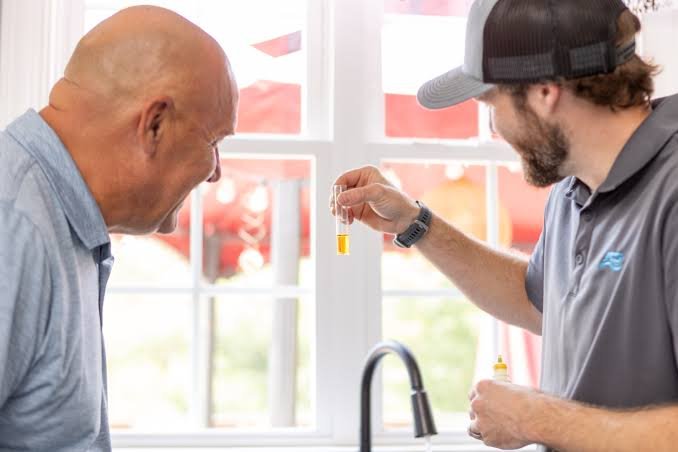
Good drinking water should be something you trust without thinking too much about it. You shouldn’t have to sniff the glass first or keep buying bottled water because the tap makes you uneasy. Testing gives you a clearer answer than guesswork ever can.
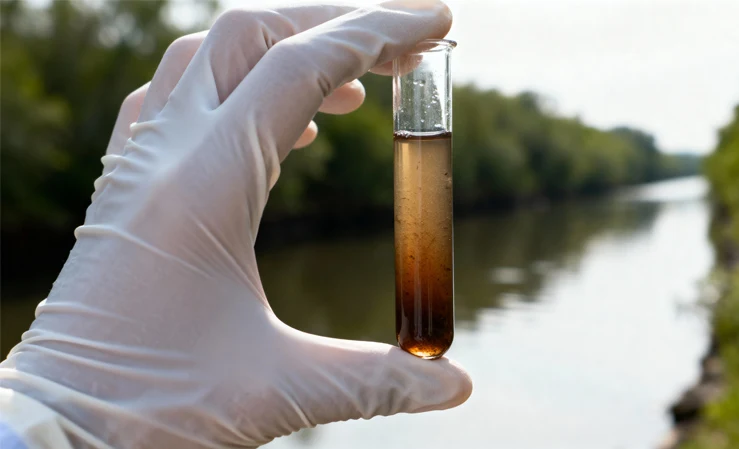
A water analysis may check chlorine levels, pH, hardness, iron, manganese, total dissolved solids, bacteria, and other concerns depending on your home and water source. For well water, regular testing is especially important because conditions can change after heavy rain, drought, nearby construction, or seasonal groundwater shifts.
For city water, testing is still useful. Water may leave the treatment plant in good condition, but it still has to move through public lines and household plumbing before it reaches your glass.
Small Improvements Make Daily Life Easier
Better water doesn’t always feel dramatic. It’s usually quieter than that. Coffee tastes cleaner. Ice cubes don’t carry odd flavors. Skin feels less dry after a shower. Fixtures are easier to keep clean. Cooking feels a little better because the water isn’t adding a strange taste to everything.
And honestly, those small improvements matter. Water touches almost every part of home life, from morning routines to evening meals. When it tastes better and feels better, the whole house feels more comfortable.
Trust Starts at the Tap
You don’t need to panic over every smell, spot, or taste. But you also don’t have to ignore them. Water quality issues are often manageable once you understand what’s causing them. The best place to begin is simple: pay attention, test properly, and choose a treatment solution based on real results.
Clean water should feel ordinary in the best way. Safe, fresh, easy to use, and dependable every time you turn the tap.