Why Better Water Is Becoming a Smart Business Investment, Not Just an Operating Expense

Water Quietly Influences Every Workday
When business owners think about improving their operations, they usually focus on technology, staffing, customer service, or reducing overhead costs. Water rarely makes the shortlist. Yet it’s one of the few resources nearly every business depends on every single day.
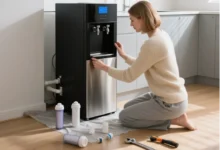
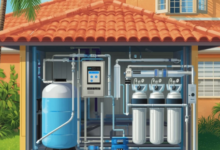
Whether it’s an office serving employees, a restaurant preparing meals, a healthcare clinic maintaining hygiene standards, or a manufacturing facility running production equipment, water supports countless daily tasks behind the scenes.
Because it flows so effortlessly, it’s easy to overlook. But once water quality begins affecting equipment, employee satisfaction, or operating efficiency, its importance becomes impossible to ignore.
Today, more organizations are treating water management as a long-term investment that supports productivity, protects assets, and improves the overall workplace experience.
Good Water Creates a Better Workplace
Employees notice more than many employers realize.
Fresh drinking water, clean kitchens, pleasant break rooms, and reliable facilities all contribute to a healthier work environment. These details may seem small individually, but together they shape how comfortable people feel during the workday.
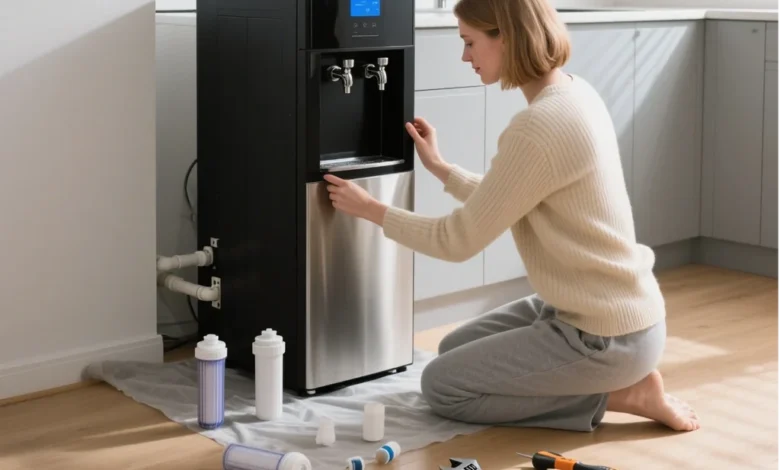
Many businesses are replacing traditional bottled dispensers with bottleless water coolers because they provide a continuous supply of filtered drinking water without the inconvenience of storing, lifting, or replacing heavy bottles.
Besides reducing plastic waste, these systems simplify office operations while giving employees easy access to refreshing water throughout the day.
It’s one of those upgrades that quietly improves workplace satisfaction without requiring major renovations or ongoing logistical headaches.
The Hidden Costs of Poor Water Quality
Water problems don’t usually create dramatic emergencies overnight.
Instead, they slowly influence operating costs in ways that aren’t immediately obvious.
Coffee machines require more frequent maintenance. Ice makers become less efficient. Boilers consume additional energy. Plumbing fixtures develop stubborn mineral deposits. Dishwashers struggle to produce spotless glassware.
Over time, these small issues become expensive.
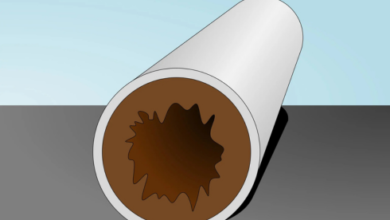
Many companies eventually discover that recurring maintenance bills are linked to equipment damage from hard water, which gradually reduces efficiency and shortens the lifespan of expensive appliances and mechanical systems.
Addressing water quality early often costs far less than repeatedly repairing or replacing commercial equipment.
Different Businesses Face Different Challenges
No two commercial properties use water the same way.
A hotel focuses on guest comfort and laundry operations.
A manufacturing plant prioritizes production reliability.
Restaurants care about beverage quality, cooking consistency, and sanitation.
Healthcare facilities require dependable water for cleaning and patient care.
Because every industry has unique requirements, successful water treatment starts with understanding how water is actually being used rather than assuming every business needs identical equipment.
Tailored solutions almost always outperform generic ones.
Reliable Water Supports Daily Operations
Business interruptions are expensive.
Even minor equipment failures can delay production, reduce customer satisfaction, or increase labor costs while repairs are completed.
Reliable water quality helps minimize unnecessary disruptions by supporting equipment performance, improving operational consistency, and reducing maintenance frequency.
For businesses operating on tight schedules, preventing downtime often becomes just as valuable as lowering repair expenses.
The smoother daily operations become, the easier it is for employees to focus on serving customers rather than dealing with avoidable problems.
Water Quality Can Affect More Than Equipment
Depending on the industry, water quality also plays a role in meeting health, safety, and operational standards.
Food preparation facilities, healthcare organizations, laboratories, hospitality businesses, and certain manufacturing environments may all need to consider regulatory compliance issues related to water quality, sanitation, or production requirements.
While regulations vary by industry and location, having dependable water treatment in place can help businesses maintain consistent operating conditions and support broader quality assurance efforts.
Rather than reacting to potential problems later, many organizations choose preventative water management strategies that align with their operational goals.
Sustainability Is Becoming Part of the Conversation
Environmental responsibility matters more today than ever before.
Customers, employees, and business partners increasingly appreciate companies that make thoughtful operational choices, even in areas that aren’t immediately visible.
Reducing bottled water consumption, improving water efficiency, extending equipment lifespan, and minimizing unnecessary waste all contribute to more sustainable business practices.
Interestingly, many environmentally friendly water improvements also reduce long-term operating costs.
It’s one of those rare situations where financial and environmental benefits often work together.
Planning Ahead Saves Money Later
Business growth rarely happens overnight.
Operations expand gradually.
More employees are hired.
Additional equipment is installed.
Customer demand increases.
Planning water treatment with future growth in mind often proves more economical than continually upgrading undersized systems as operations evolve.
Scalable solutions allow businesses to adapt without repeatedly replacing major equipment.
That flexibility becomes increasingly valuable as organizations continue growing over time.
Choosing the Right Partner Makes a Difference
Water treatment isn’t simply about purchasing equipment.
It’s about understanding water conditions, selecting appropriate technology, installing systems correctly, and providing reliable maintenance over the years ahead.
Experienced water treatment professionals evaluate each property’s unique needs before recommending solutions. They consider water quality, daily usage, operational priorities, equipment requirements, and long-term business goals.
This consultative approach typically produces better results than simply choosing the least expensive option available.
A properly designed system often delivers value for many years beyond the initial installation.
Looking Beyond Immediate Costs
It’s understandable that businesses compare prices when investing in new equipment.
However, focusing only on upfront expenses can overlook much larger long-term benefits.
Reduced maintenance.
Lower utility costs.
Longer equipment lifespan.
Improved employee satisfaction.
Greater operational reliability.
Enhanced customer experience.
When these advantages are considered together, quality water treatment frequently becomes one of the more practical operational investments a business can make.
The return isn’t always dramatic on day one, but it accumulates steadily over time.
Final Thoughts
Water quietly supports nearly every aspect of modern business, from employee comfort and customer satisfaction to equipment protection and operational efficiency. Although it’s easy to overlook until problems arise, proactive water management offers measurable advantages across many industries.
By improving workplace hydration, protecting valuable equipment, supporting consistent operations, and preparing for future growth, businesses position themselves for greater long-term success.
In the end, investing in better water isn’t simply about filtration or technology. It’s about creating a stronger, more efficient business environment where employees can thrive, customers enjoy a better experience, and operations continue running smoothly every single day.