Most home improvements are easy to see. A new countertop, fresh paint, better lighting — you notice them the second you walk into the room. Water treatment is different. It works quietly. You may not see it sitting there every day, but you feel it in the shower, taste it in your coffee, and notice it when the dishwasher finally stops leaving cloudy marks on glasses.
Water touches nearly every corner of a home. It runs through pipes, appliances, faucets, tubs, toilets, washing machines, ice makers, and garden hoses. So when the water quality is off, even slightly, the effects can spread further than people realize. A strange taste at the tap may be just one part of the story. Dry skin, scale buildup, dull laundry, and tired appliances may be connected too.
Why Treating Water at the Source Makes Sense
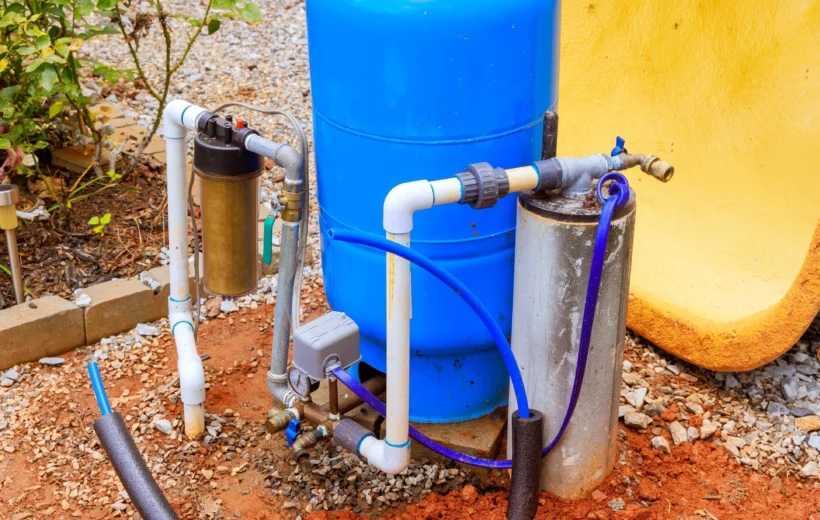
Some water issues affect more than one faucet. If the shower smells like chlorine, the laundry feels rough, and the sink has mineral spots, a small kitchen filter probably won’t solve everything. That’s where whole house filtration can be useful. It treats water closer to where it enters the home, helping improve the quality of water used throughout the property.
This kind of setup can be especially helpful for families dealing with sediment, odor, chlorine taste, or general water quality concerns. It is not about making water “fancy.” It is about making everyday water more pleasant and reliable. When all the water in the house feels cleaner, daily routines simply become easier.
The Clues Your Water Leaves Behind
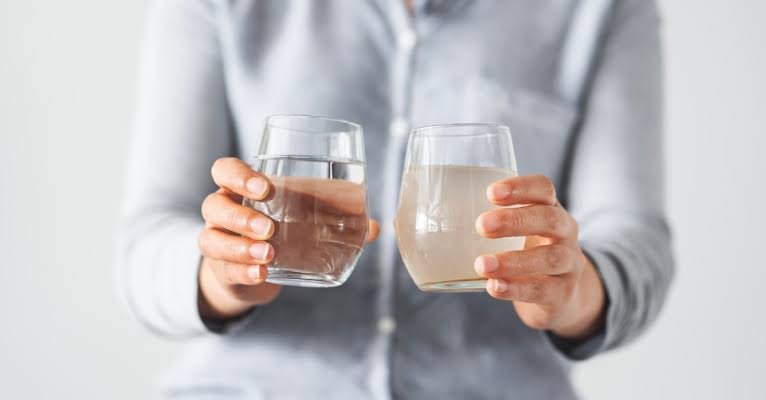
Water has a habit of giving hints. White crust around faucets can point to hardness minerals. Orange or brown stains may suggest iron. A rotten-egg smell could be related to sulfur. Cloudy ice, unpleasant taste, or gritty sediment in fixtures can also signal that the water deserves attention.
The problem is, these signs can overlap. Bad taste does not always mean the same thing in every home. Hard water is not the same as contaminated water. Sediment is not the same as chlorine. That is why a proper water test is the best starting point. It keeps homeowners from guessing and buying equipment that may not match the actual issue.
Better Drinking Water, Right Where You Need It
For drinking and cooking, many homeowners want a more focused solution at the kitchen sink. Reverse osmosis systems are often used for this purpose because they can reduce many dissolved substances that ordinary filters may not handle as thoroughly. The water often tastes cleaner, which makes a big difference for coffee, tea, soups, ice, and daily hydration.
Reverse osmosis is usually installed under the sink with a dedicated faucet or connected to a refrigerator line. It does not always need to treat the whole house. In fact, many homes benefit from a layered approach: broader filtration for general household water, and reverse osmosis for drinking water where purity and taste matter most.
Hard Water Is a Quiet Trouble-Maker
Hard water is common, and because it is not always harmful to drink, people sometimes underestimate it. But hard water can be annoying and expensive over time. It leaves spots on dishes, makes soap less effective, causes scale around fixtures, and can build up inside water heaters and appliances.
That buildup may force equipment to work harder. A water heater with mineral scale inside can lose efficiency. Dishwashers and washing machines may also suffer from the constant mineral load. The damage is usually slow, which makes it easy to ignore until repairs or replacement become necessary.
How Softening Helps Daily Life
Good water softeners are designed to reduce the hardness minerals that cause scale. The result can be smoother-feeling water, better soap lather, softer laundry, cleaner fixtures, and fewer stubborn spots on glassware. For many families, the difference is noticeable within days.
There’s also a practical side. Less scale can mean less strain on plumbing fixtures and water-using appliances. That does not mean a softener is the answer to every water problem, but for homes with hardness issues, it can be one of the most useful upgrades available.
Matching the Right System to the Right Problem
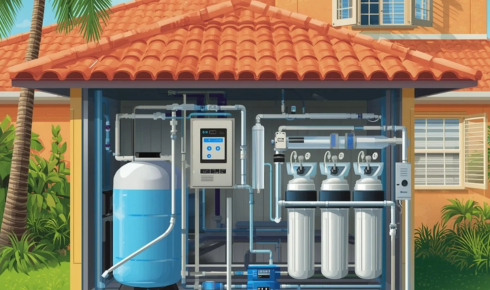
The best water treatment plan is not always one machine. Sometimes it is a combination of solutions. A home might need filtration for taste and odor, softening for hardness, and reverse osmosis for drinking water. Another home might only need one of those. It depends on the water source, test results, plumbing, household size, and personal preferences.
A trustworthy water specialist should explain the options clearly. Not with scare tactics. Not with confusing technical talk. Just a simple breakdown of what is in the water, what each system does, and what makes sense for the home.
Maintenance Keeps the Benefits Going
Every water system needs some level of care. Filters need changing. Reverse osmosis membranes eventually wear out. Softeners need salt and occasional checks. Skipping maintenance can reduce performance and allow old problems to creep back.
The good news is that maintenance is usually manageable with a simple schedule. Once the system is set up properly, it should work quietly in the background, doing its job without needing constant attention.
A Home Upgrade You Feel Every Day
Better water is not dramatic in the way a remodel is dramatic. It’s quieter than that. It shows up in better-tasting drinks, cleaner dishes, softer showers, and fewer frustrating stains. It may also help protect the equipment that keeps the home running.
When the right water treatment system is chosen for the right reason, it becomes one of those improvements people quickly get used to. Then, when they visit somewhere with untreated water, they notice the difference immediately. That’s the beauty of cleaner water — it becomes part of the comfort of home.