You don’t usually notice your water when everything is working properly. That’s probably the strange thing about it. Water becomes part of the background of life — filling kettles, washing dishes, running through the shower while you think about your day. It’s constant, familiar, and easy to overlook.
But the moment something feels off, suddenly it’s impossible not to notice.
Maybe your tap water tastes metallic after heavy rain. Maybe the bathroom sink keeps developing orange stains no matter how often you clean it. Sometimes it’s subtler than that. Dry skin after every shower. Clothes fading faster than they should. Glasses coming out cloudy from the dishwasher.
Most homeowners brush these things aside for a while. Life gets busy. You assume it’s normal. But eventually, enough small annoyances pile up that you start wondering if the water itself is the issue.
And honestly, a lot of the time, it is.
Water Quality Affects More Than Drinking Water
People often think water treatment is only about making tap water safer to drink, but the effects reach much further into everyday life than that.
Water touches nearly everything in a home. Your appliances use it constantly. Your plumbing depends on it. Your skin and hair react to it every single day. Even cooking changes depending on mineral content and filtration quality.
I remember staying at a relative’s house years ago where the water felt unusually soft during showers. At first I couldn’t figure out why everything seemed different — soap rinsed faster, towels felt softer, and even the dishes looked cleaner. Later I learned they had installed a complete treatment system after years of dealing with hard water problems.
It wasn’t flashy or dramatic. The house simply felt more comfortable.
Hard Water Slowly Wears Down a Home
One of the most common household water issues is hard water, though many people live with it for years without fully realizing how much damage it can cause.
Minerals like calcium and magnesium leave behind deposits inside pipes, water heaters, dishwashers, and washing machines. Over time, that buildup quietly reduces efficiency and increases wear on appliances.
The annoying part is how gradual it feels. Faucets get crusty little by little. Water pressure weakens slowly. Soap becomes harder to rinse properly. Because nothing happens overnight, people adapt without noticing how much inconvenience has become routine.
That’s one reason homeowners often turn to water softeners after finally reaching their limit with hard water frustration. Sofened water can reduce scale buildup, improve cleaning efficiency, and make showers feel noticeably gentler on skin and hair.
And honestly, once people get used to the difference, they rarely want to go back.
Iron Problems Have a Way of Showing Up Everywhere
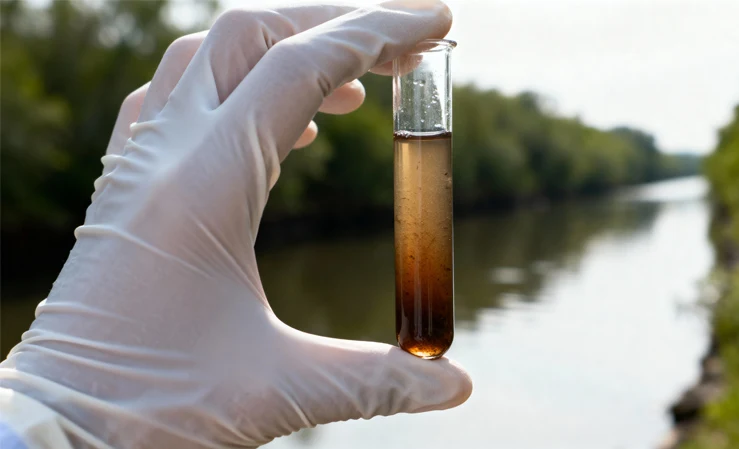
Iron contamination creates a completely different kind of frustration. Unlike hard water, which tends to build up quietly, excess iron usually leaves obvious clues around the house.
Rust-colored stains around sinks. Orange rings in toilets. Metallic tastes in drinking water. Sometimes even laundry starts developing yellow or reddish discoloration over time.
It’s not necessarily dangerous in every situation, but it definitely becomes exhausting to deal with daily.
That’s where iron filter systems can make a major impact. These systems are designed to remove excess iron before it spreads throughout plumbing fixtures and appliances. Once installed properly, homeowners often notice cleaner sinks, better tasting water, and far less scrubbing around bathrooms and kitchens.
It’s funny how much time people spend fighting stains before realizing the water itself is creating the problem.
Cleaner Drinking Water Changes Everyday Habits
Then there’s drinking water — probably the part people think about first when considering filtration.
Taste matters more than we sometimes admit. If water smells heavily chlorinated or carries a strange aftertaste, families naturally avoid drinking it directly from the tap. Bottled water becomes the backup plan, even though hauling heavy cases home every week gets old quickly.
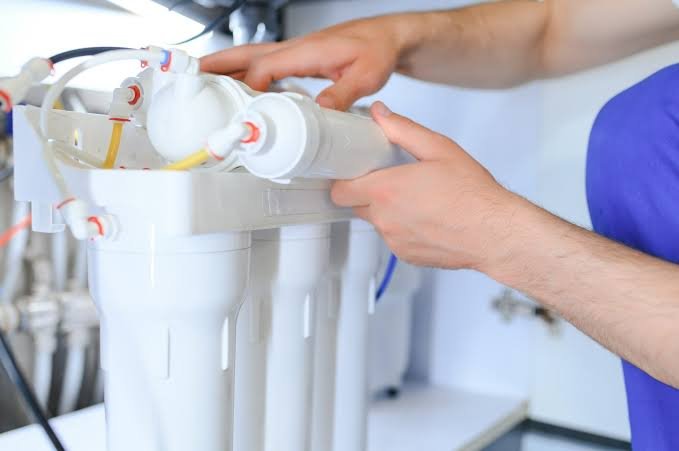
Modern reverse osmosis systems have become popular because they address many of those concerns directly. By reducing dissolved contaminants and improving taste, they often make tap water feel usable again in a way people genuinely appreciate.
And the difference extends beyond drinking glasses.
Coffee tastes cleaner. Ice cubes stop carrying weird odors. Soup recipes improve subtly. Even pets sometimes drink more water naturally once unpleasant flavors disappear.
These are tiny details individually, but together they shape the everyday feeling of a home.
Every House Has Different Water Needs
One thing homeowners sometimes misunderstand is that there’s no universal “perfect” water setup. What works beautifully for one home may not address another home’s issues at all.
Water quality depends heavily on location, plumbing age, groundwater conditions, and whether the property uses municipal water or a private well. Some homes struggle primarily with hardness. Others face iron, sulfur odors, chlorine taste, or sediment problems.
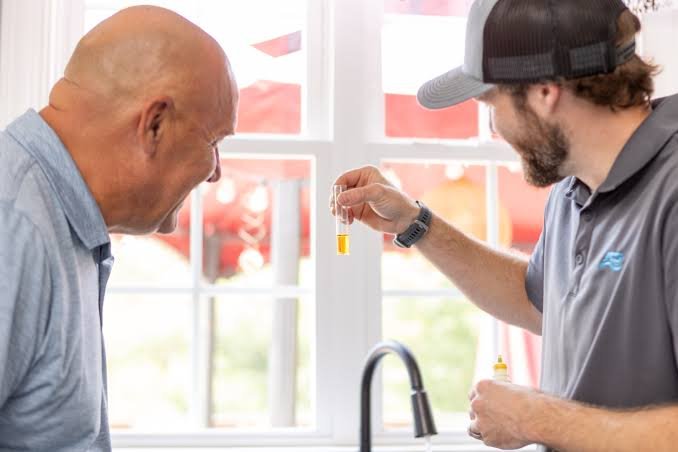
That’s why testing matters before buying equipment blindly.
A proper evaluation helps homeowners understand what’s actually happening in their water instead of relying on guesswork or internet trends. Sometimes the solution is surprisingly simple. Other times, combining multiple treatment methods creates the best long-term result.
Better Water Isn’t Really About Luxury
Years ago, home water treatment sometimes felt like an optional upgrade reserved for expensive homes. That mindset has shifted quite a bit.
Today, many homeowners view water quality the same way they think about air quality or heating systems — as part of maintaining a healthier, more comfortable home overall.
And honestly, that perspective makes sense.
Clean, balanced water improves countless little moments people barely think about until they get better. A relaxing shower after work. A glass of cold water late at night. Towels that feel soft instead of stiff. Appliances that last longer without constant repairs.
None of it feels dramatic. But together, those quiet improvements make home feel noticeably easier to live in.
And sometimes, that’s exactly what people are really searching for.