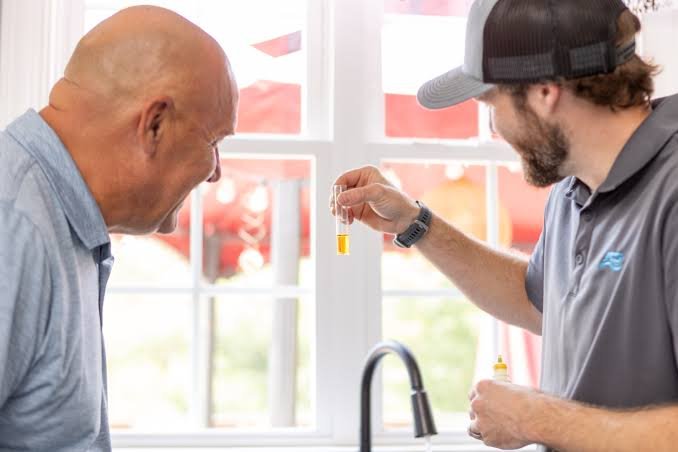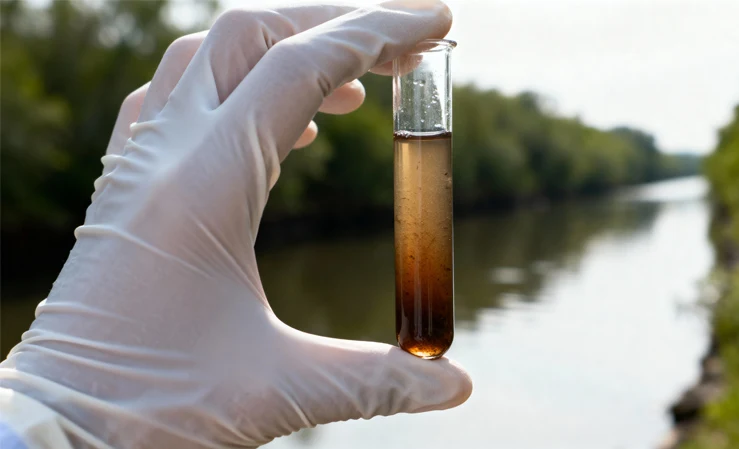
Most homeowners don’t think much about water until it starts becoming annoying. Maybe the shower door never looks fully clean no matter how much scrubbing happens. Maybe dishes come out cloudy, or the faucet constantly develops a chalky ring around the edges. At first, it just feels like ordinary household maintenance. But over time, those little frustrations start adding up.
Water has a quiet way of shaping daily life. You don’t really notice good water when everything works smoothly. But when something feels off, it slowly creeps into routines you repeat every single day.
And honestly, many homes are dealing with water-related issues without fully realizing it.
Hard Water Is More Common Than People Think
Across many regions, hard water is simply part of everyday life. Groundwater naturally picks up minerals like calcium and magnesium as it moves through rock and soil underground. Those minerals aren’t necessarily harmful to drink, but they create plenty of headaches around the house.
The tricky part is that hard water problems usually develop gradually. People adapt to them without noticing right away. Towels stop feeling soft. Soap becomes harder to rinse off. Skin feels dry after showers. Water heaters become less efficient year after year.
At some point, homeowners begin assuming these issues are just “normal,” especially if they’ve lived in the same area for a long time.
But normal doesn’t always mean harmless to your home.
The Clues Often Show Up in Plain Sight
One of the most obvious warning signs appears right in kitchens and bathrooms. Those stubborn white marks around sinks, faucets, and showerheads aren’t random dirt. They’re mineral deposits left behind as water evaporates.
Over time, spotty fixtures become one of the easiest ways to recognize ongoing hard water exposure. Glass shower doors lose clarity. Stainless steel looks dull faster. Even freshly cleaned sinks somehow appear dirty again within hours.
It sounds minor, and honestly, compared to major plumbing failures, it is. But those visible deposits are usually just the surface-level version of what’s happening deeper inside pipes and appliances too.
That’s where things become more expensive.
Appliances Feel the Impact Long Before Homeowners Notice
Most modern homes rely heavily on water-powered appliances — washing machines, dishwashers, coffee makers, refrigerators, water heaters. Hard water quietly affects all of them over time.
Mineral deposits build slowly inside heating elements, hoses, and internal components. Efficiency drops little by little. Appliances work harder to achieve the same results. Energy usage increases. Eventually, breakdowns become more common.
What’s frustrating is that many homeowners blame “cheap appliances” without realizing their water quality may be shortening equipment lifespan dramatically.
Water heaters are especially vulnerable. Even small amounts of mineral accumulation can force heating systems to use more energy than necessary. That extra strain adds up quietly month after month on utility bills.
And unlike obvious leaks or flooding, these problems don’t usually announce themselves loudly. They just slowly chip away at efficiency.
Plumbing Problems Tend to Grow Quietly
Inside many older homes, untreated mineral-heavy water gradually affects plumbing systems in ways homeowners rarely see directly. Pipes can narrow from internal buildup over time, reducing water flow and increasing pressure-related stress.
It’s a bit similar to arteries narrowing slowly over years — not dramatic at first, but eventually disruptive.
The older the home, the more noticeable these effects can become. Homes with galvanized steel plumbing often experience buildup faster than newer systems, though even modern piping isn’t completely immune.
And honestly, plumbing issues are rarely cheap once they become serious. That’s partly why preventative solutions matter more than people sometimes realize.
Water Treatment Isn’t Just About Luxury
There’s occasionally a misconception that water treatment systems are unnecessary upgrades reserved for expensive homes. In reality, many families install them for practical reasons rather than luxury.
Water softeners, filtration systems, and routine water testing often help reduce long-term maintenance costs while improving everyday comfort at the same time.
Softened water generally allows soap to lather better. Laundry feels cleaner. Fixtures stay cleaner longer. Appliances tend to operate more efficiently. Even simple tasks like washing dishes become a little less frustrating.
None of this sounds dramatic individually. But together, these small improvements noticeably change how a home functions.
And perhaps that’s why homeowners who install water treatment systems often say the same thing afterward: they wish they had done it sooner.
Maintenance Still Matters
Of course, no water system completely eliminates maintenance forever. Water softeners require upkeep. Filters need replacement. Plumbing inspections still matter.
But staying proactive usually prevents larger, more expensive problems from developing later. That’s true for almost every part of homeownership, honestly.
People sometimes wait until water issues become impossible to ignore before taking action. By then, appliance damage, plumbing wear, or mineral buildup may already be fairly advanced.
Catching problems early tends to save both money and stress.
Water Affects Comfort More Than We Admit
There’s also a personal comfort side to all of this that often gets overlooked. Better water simply makes daily routines feel easier.
Showers feel more refreshing. Glasses come out cleaner. Coffee tastes better. Skin feels less irritated during dry weather. Tiny improvements, maybe — but they shape everyday life in subtle ways.
Good water doesn’t usually attract attention because it quietly does its job in the background. But when water quality improves, people often notice the difference surprisingly fast.
Final Thoughts
Water problems rarely begin with major disasters. More often, they start with little clues homeowners gradually learn to ignore — cloudy dishes, mineral stains, dry skin, slower appliances, stubborn buildup around faucets.
But those signs matter.
Paying attention to water quality early can help protect appliances, improve efficiency, reduce maintenance headaches, and make everyday life a little more comfortable overall. And honestly, when something affects your home every single day, even small improvements end up feeling pretty meaningful over time.