There’s something deeply unsettling about water that smells bad.
You can deal with a squeaky floorboard or a noisy ceiling fan for months without much stress. But when the water coming out of your kitchen sink suddenly smells odd, your brain reacts differently. Even if it looks perfectly clear, something about it feels wrong immediately.


Most people describe it the same way at first:
“It smells like eggs.”
Or sometimes, “It smells kind of swampy.”
And once you notice it, you start noticing it everywhere. In the shower steam. While washing dishes. Even when brushing your teeth. It quietly changes the comfort of the entire home.
The Common Cause Behind That Sulfur-Like Smell
One of the most frequent reasons behind unpleasant-smelling water is hydrogen sulfide, a gas that naturally develops in certain underground environments.
At low levels, it’s usually more annoying than dangerous, but that doesn’t make it pleasant to live with. The smell often becomes stronger when hot water is running, which is why some homeowners first notice it while showering or using the dishwasher.
The weird part is how unpredictable it can feel. Some mornings the smell is barely there. Other days it suddenly feels overwhelming for no obvious reason.
That inconsistency makes people question whether the problem is serious or just temporary. In reality, water odor issues rarely disappear completely on their own without some type of intervention.
Why Well Water Homes Deal With This More Often
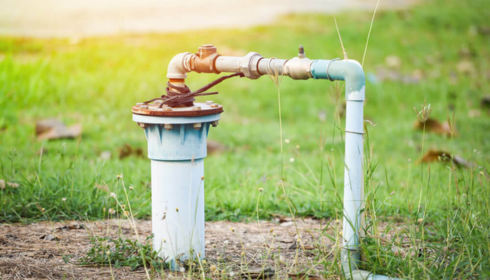
Homes connected to municipal water systems can occasionally experience odor problems too, but private wells tend to see them more frequently.
That’s because well water comes directly from underground sources where sulfur bacteria, minerals, organic matter, and sediment naturally exist. Depending on local geology and groundwater conditions, wells can develop odors over time even if they previously seemed perfectly fine.
A neighbor of mine went nearly ten years without any issues before suddenly noticing sulfur odors one summer. At first he thought something had died near the plumbing system. Turned out bacteria growth inside the well system had slowly increased due to changing groundwater conditions.
That’s the thing about private wells — they’re more personal. You’re essentially responsible for monitoring your own water source instead of relying entirely on city treatment facilities.
Sometimes the Problem Isn’t the Well Itself
Here’s where things get a little frustrating for homeowners: the source of the smell isn’t always obvious.
Sometimes the well is perfectly fine, and the odor actually originates inside the water heater. Certain heater components can react with sulfur bacteria and intensify odors, especially in hot water lines.
Other times, stagnant plumbing sections or old pipes contribute to the issue. In rare cases, nearby environmental changes can even affect underground water conditions temporarily.
This is why guessing rarely works well.
People often rush into buying expensive filters after reading random online advice, only to discover later they treated the wrong problem entirely.
Water Quality Is About More Than Taste
When people talk about household water issues, they usually focus on drinking water first. That makes sense, of course. But poor water quality affects daily life in much broader ways than most homeowners realize.
Odor problems can:
- Make showers uncomfortable
- Leave unpleasant smells in laundry
- Affect cooking and beverages
- Create staining issues
- Cause embarrassment when guests visit
- Reduce confidence in using tap water at all
And honestly, there’s a psychological side to it too.
Even when water is technically safe, strange smells create doubt. You start second-guessing simple routines you never thought twice about before.
The Importance of Proper Water Testing
One thing professionals almost always recommend first is a comprehensive water test.
Not because testing sounds fancy, but because odor alone doesn’t tell the full story.
Sulfur odors may appear alongside iron, manganese, sediment, bacteria, or other naturally occurring contaminants. A proper analysis helps identify what’s actually happening instead of relying on guesswork or internet forums filled with conflicting advice.
And frankly, water systems are too expensive to treat blindly.
A basic test often saves homeowners from buying equipment they never needed in the first place.
Treatment Solutions Have Improved a Lot
The good news is that most sulfur-related water issues are manageable once properly identified.
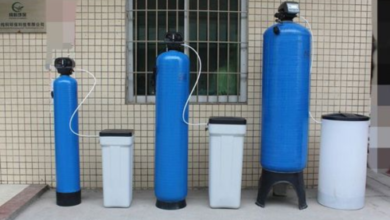
Depending on the source and severity, solutions may include:
- Aeration systems
- Activated carbon filtration
- Oxidation filters
- Chlorination treatments
- Water softeners combined with filtration
- Water heater adjustments
The right setup really depends on the specific chemistry of the water itself.
And unlike older systems that sometimes felt bulky or complicated, modern treatment systems are generally quieter, more efficient, and easier to maintain than they used to be.
Living With Better Water Feels Different Than People Expect
What surprises many homeowners after resolving odor issues isn’t just the absence of bad smells. It’s the sense of relief that comes with trusting the water again.
You stop hesitating before filling a glass. Steam from the shower stops carrying unpleasant odors through the bathroom. Coffee tastes cleaner. The kitchen simply feels fresher.
Little routines become normal again.
That emotional side of clean water rarely gets mentioned in advertisements, but honestly, it matters quite a bit in everyday life.
Don’t Ignore Persistent Odors
One important thing worth saying: if water odors suddenly appear or become stronger over time, it’s usually worth investigating sooner rather than later.
Many causes are relatively manageable when caught early. Waiting too long can allow underlying problems to grow worse or create additional plumbing complications later.
At the very least, testing gives clarity — and clarity alone reduces a surprising amount of stress.
Final Thoughts
Water is one of those things we expect to work quietly in the background without causing trouble. So when it develops an unpleasant smell, it immediately changes the atmosphere of a home in ways people don’t always anticipate.
The good news is that sulfur odors and related water issues are often fixable with the right diagnosis and treatment approach. And once clean, neutral-smelling water returns, daily life feels noticeably more comfortable again.
Sometimes the best home improvements aren’t dramatic renovations at all. Sometimes they’re simply restoring confidence in something as basic — and important — as the water coming out of your tap.