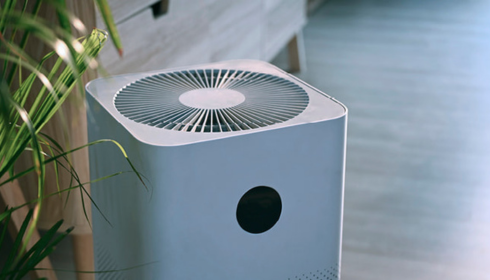
Most of us don’t spend much time thinking about the air inside our homes. We notice when it smells bad, sure. Or when allergies flare up out of nowhere. But on a normal day, air feels invisible — something we simply expect to be fine.


And honestly, that’s understandable.
You walk into your house after work, kick off your shoes, maybe make coffee or collapse onto the couch for a while. The last thing on your mind is microscopic particles floating through the living room. Yet those tiny things can quietly affect how comfortable a home feels every single day.
What’s interesting is how many people only start paying attention after something changes. Maybe wildfire smoke drifts into the area one summer. Maybe a family member develops allergies. Or maybe spending more time indoors suddenly makes the house feel stuffy in a way that’s hard to ignore.
Once you notice it, though, it’s difficult to un-notice.
Indoor Air Isn’t Always as Clean as It Looks
A clean-looking house can still hold plenty of airborne particles.
Dust, pet dander, pollen, cooking smoke, cleaning chemicals, moisture, and outdoor pollution all find ways inside. Modern homes are built tighter than older ones too, which helps with energy efficiency but also traps more particles indoors for longer periods.
That’s why conversations around indoor air quality have shifted over the last few years. People are realizing that comfort isn’t just about furniture, lighting, or paint colors. The environment itself matters.
And sometimes the symptoms are subtle.
Frequent sneezing. Dry eyes. Headaches that disappear after leaving the house. A constant layer of dust returning no matter how often you clean. These things don’t always scream “air problem” immediately, but they often point in that direction.
Cleaner Air Changes the Feeling of a Home
One thing homeowners often say after improving their air systems is that the house simply feels lighter.
Not in some magical way. Just… fresher.
Sleep becomes more comfortable. Rooms stop smelling stale. Dust buildup slows down a little. People with allergies sometimes notice fewer symptoms, especially during high pollen seasons. Even pets seem more comfortable in homes with cleaner circulation and less airborne irritation.
That’s one reason HEPA filtration systems have become increasingly popular beyond hospitals or medical spaces. They’re designed to help capture fine particles that ordinary filters may miss, including dust, pollen, and certain airborne irritants.
Of course, no system creates perfect air. Real homes are active spaces with people cooking, cleaning, opening doors, bringing in pets, and living normal lives. But improving filtration can noticeably reduce the constant circulation of unwanted particles indoors.
And honestly, once people experience cleaner air regularly, going back to stale environments feels surprisingly uncomfortable.
Modern Homes Trap More Than We Realize
There’s a strange irony to newer homes. They’re more energy efficient than older houses, but sometimes they also feel more sealed off from fresh airflow.
Older homes naturally leaked air through tiny gaps and imperfect construction. Modern homes hold temperature better, which is great for utility bills, but it also means indoor particles linger longer without proper circulation.
This becomes especially noticeable during winter or extreme summer weather when windows stay closed for weeks at a time.
At that point, indoor spaces start accumulating all kinds of air contaminants that most people never actually see. Cooking oils from the kitchen. Fine dust from fabrics and carpets. Smoke particles from outdoors. Even everyday household products contribute to indoor air buildup over time.
And because these things accumulate gradually, homeowners often adapt to them without realizing it.
Until they spend time somewhere with noticeably cleaner air and suddenly understand the difference.
Air Quality Isn’t Just About Allergies
People often assume air filtration is only important for allergy sufferers, but honestly, cleaner indoor air benefits almost everyone.
Think about how much time people spend indoors now. Working from home, streaming movies, cooking meals, sleeping, exercising — home environments have become central to daily life in a way they weren’t decades ago.
That means the quality of the air inside those spaces affects energy, focus, sleep, and overall comfort more than many people realize.
Even odors behave differently in homes with better airflow and filtration. Cooking smells clear out faster. Pet odors become less noticeable. Rooms stop feeling heavy or stale after long days indoors.
These aren’t dramatic transformations. More like quiet improvements that slowly make daily life feel easier.
Whole-Home Systems Are Becoming More Common
Portable air purifiers work well for certain spaces, but many homeowners eventually want broader coverage throughout the house.
That’s where whole home air filtration systems come into the picture. Instead of cleaning air in just one room, these systems integrate with existing HVAC setups to help filter circulating air across the entire house.
For larger homes or families dealing with recurring dust and allergy issues, the difference can feel substantial over time.
Of course, maintenance still matters. Even the best filtration system won’t perform properly if filters aren’t replaced consistently. That’s the unglamorous side nobody likes talking about, but it’s true.
Cleaner air is usually the result of ongoing habits, not one-time purchases.
Comfort Starts With the Things You Don’t Always Notice
That’s probably the most interesting part of all this.
When people improve indoor air quality, they rarely spend all day thinking about their filtration system afterward. Instead, they notice smaller things:
- Waking up less congested
- Dusting less often
- Sleeping more comfortably
- Rooms feeling fresher overall
Those tiny improvements quietly add up.
And maybe that’s why indoor air quality deserves more attention than it traditionally gets. Because while we often focus on visible parts of our homes, the invisible environment around us affects daily comfort just as much — sometimes more.
A healthier home doesn’t need to feel clinical or perfect. It just needs to support the people living inside it a little better every day.