Most people don’t think much about water until it starts acting strange. Maybe the tap suddenly smells a little different. Maybe the shower leaves your skin feeling dry no matter how much lotion you use afterward. Sometimes it’s subtler than that — cloudy ice cubes, white spots on dishes, coffee that tastes slightly off even though you bought the same brand as always.
The funny thing is, water problems rarely arrive dramatically. They creep in slowly, becoming part of the background until one day you stop and think, “Wait… has it always been like this?”
I remember staying with relatives years ago who lived in an older neighborhood outside the city. Every faucet in the house had these chalky white marks around it, and their kettle looked permanently dusty inside no matter how often they cleaned it. They joked about it constantly, but eventually they realized the issue wasn’t normal wear and tear at all — it was the water itself quietly affecting everything.
Water Isn’t Always as Clean as It Looks
One of the biggest misconceptions people have is assuming clear water automatically means clean water. Unfortunately, that’s not always true.
Some water contaminants are invisible. You can’t smell them, taste them, or spot them floating in a glass. Others show up through subtle clues — metallic flavors, discoloration, odd odors, or residue around fixtures. The challenge is that many homeowners grow accustomed to these signs over time and stop noticing them completely.
Municipal treatment systems do an important job, of course, but aging pipes, environmental runoff, seasonal shifts, and local infrastructure can still influence what eventually reaches household taps. Rural homes with well water often face entirely different concerns, ranging from sediment to naturally occurring minerals.
None of this means people should panic every time water tastes slightly different. But paying attention matters more than most of us realize.
The Everyday Frustration of Hard Water
Some water issues feel less dangerous and more endlessly annoying. Hard water falls squarely into that category.
Homes dealing with hard water often experience mineral buildup around faucets, showerheads, and appliances. Soap refuses to lather properly. Laundry feels rougher after washing. Hair becomes dry or brittle no matter how expensive the shampoo is.
What’s frustrating is how gradually these problems develop. You don’t wake up one morning with a dramatic plumbing disaster. Instead, your dishwasher slowly stops performing as well. Your coffee maker needs constant cleaning. The bathroom fixtures never quite look spotless anymore.
A friend once described hard water as “death by a thousand tiny inconveniences,” which honestly feels pretty accurate.
And while hard water usually isn’t dangerous to drink, the long-term wear on appliances and plumbing systems can become expensive if ignored for too long.
Why People Are Finally Paying Attention to Water Quality
I think homeowners today are simply more aware of what enters their homes overall. We read food labels more carefully now. We think about air quality, cleaning products, and even the materials used in furniture or cookware.
Water naturally became part of that conversation.
There’s also a growing understanding that comfort inside a home depends heavily on things working properly behind the scenes. Clean water affects cooking, bathing, laundry, hydration, and even how enjoyable a simple glass of iced tea feels on a hot afternoon.
Once people realize how many daily routines connect back to water quality, it starts feeling less like a utility and more like part of overall wellbeing.
Testing Water Before Guessing
One mistake homeowners sometimes make is trying random solutions without actually understanding the problem first. Someone buys a filter because the neighbor recommended it. Another person installs expensive equipment after reading a dramatic online article that may not even apply to their area.
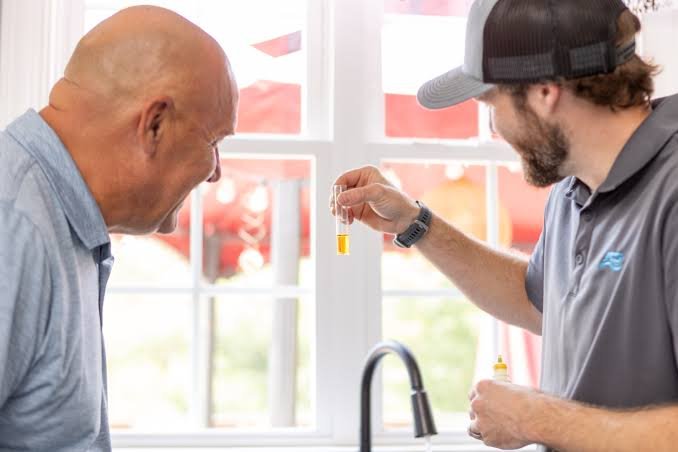
That’s why proper water testing tends to be one of the smartest starting points. Instead of guessing, testing provides a clearer picture of what’s happening inside the home’s water supply.
Sometimes the results are reassuring. Other times they reveal mineral issues, chlorine levels, sediment, or contaminants homeowners didn’t realize were present. Either way, having real information makes future decisions much easier.
And honestly, peace of mind has value too.
Water Problems Don’t Always Stay Small
The tricky thing about untreated water issues is how they quietly spread into other areas of the home. Mineral buildup shortens appliance lifespan. Sediment affects plumbing efficiency. Poor water quality can influence everything from skin comfort to cooking flavor.
Most homeowners don’t connect these dots immediately because each issue feels unrelated at first.
A showerhead clogging every few months seems normal. Replacing a dishwasher earlier than expected feels like bad luck. Dry skin during winter gets blamed entirely on weather.
But over time, patterns start emerging.
That’s why addressing water concerns early often saves money — and frustration — later on.
Clean Water Changes Daily Life in Subtle Ways
People rarely describe improving their home water as a dramatic life transformation. It’s usually quieter than that.
They mention coffee tasting better. Softer laundry. Cleaner dishes. Showers that feel more comfortable. Appliances working more efficiently. Fewer stains around sinks and faucets.
Small improvements, individually. But together, they change how a home feels.
And maybe that’s the interesting part. Good water doesn’t demand attention when everything works properly. It simply supports daily life quietly in the background.
Final Thoughts
Most water issues begin subtly. A strange taste. Dry skin. Mineral stains you keep meaning to scrub away later. Easy things to ignore for months or even years.
But water touches nearly every part of home life, whether people realize it or not. Paying attention to its quality isn’t about fear or overreaction. It’s about understanding what flows through your home every single day and making informed choices that improve comfort, health, and peace of mind.
Because in the end, reliable clean water isn’t really a luxury. It’s one of those everyday essentials we only fully appreciate once something feels off.