The Hidden Minerals in Your Water and Why They Matter More Than You Think

Most people don’t spend much time thinking about what’s actually inside their tap water. If it looks clear and tastes reasonably fine, that’s usually enough. You fill a glass, make coffee, rinse vegetables, and move on with the day without giving it a second thought.
But water carries more than just hydration. Depending on where you live, it can contain a surprising amount of naturally occurring minerals that quietly influence everything from your plumbing to your morning shower routine. And honestly, once you start noticing the effects, it’s difficult to stop paying attention.

Some homes seem to fight constant white residue around faucets. Others deal with stiff laundry, dry skin, or kettles that somehow always look dirty inside. These things often trace back to the mineral content in the water itself — something many homeowners don’t fully understand until the signs become impossible to ignore.
Water Isn’t the Same Everywhere
One thing that surprises people is how dramatically water can vary between regions. Two homes just a few miles apart may experience completely different water conditions depending on underground geology, municipal treatment methods, and plumbing systems.
As water travels through soil and rock, it naturally picks up dissolved minerals. One of the most common is calcium, which plays a huge role in what’s commonly known as hard water. It’s not necessarily dangerous, but it can definitely change how water behaves inside a home.
You notice it in subtle ways first. Soap doesn’t lather properly. Glassware comes out spotted from the dishwasher. Faucets need cleaning more often than they probably should. Over time, those small annoyances start feeling bigger.
A friend of mine moved into an older suburban house last year and couldn’t understand why her brand-new coffee maker looked worn after only a few months. The culprit turned out to be mineral-heavy water. Nobody had warned her how much the local water conditions affected appliances until she was already dealing with repairs.
The Mineral That Often Goes Unnoticed
While calcium usually gets most of the attention, magnesium also contributes heavily to hard water conditions. Together, these minerals create the stubborn characteristics homeowners struggle with every day.
What makes it tricky is that these minerals aren’t always visible in the water itself. The water can look perfectly clean while still carrying enough dissolved material to affect pipes, appliances, and cleaning routines over time.
Some people even notice differences on their skin and hair. Showers can leave behind a slightly dry or tight feeling. Shampoo becomes harder to rinse fully. Towels lose softness after repeated washing cycles. It’s easy to blame soap brands or weather changes without realizing the water itself is part of the problem.
And honestly, once someone experiences softer or filtered water elsewhere, the contrast becomes obvious. Hotels, newer homes, or certain neighborhoods suddenly feel different in ways people struggle to explain clearly. It’s one of those things you almost have to experience firsthand to fully understand.
Why Appliances Wear Down Faster
One of the more frustrating aspects of mineral-heavy water is how quietly it affects household systems.
Water heaters, dishwashers, washing machines, and coffee makers all rely on internal heating elements and narrow pathways where minerals gradually collect over time. That buildup reduces efficiency and forces appliances to work harder than they should.
The result? Higher energy use, slower performance, and earlier replacements.
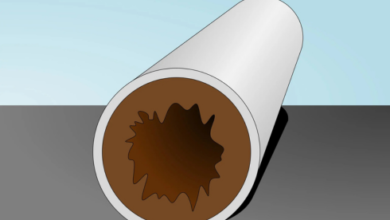
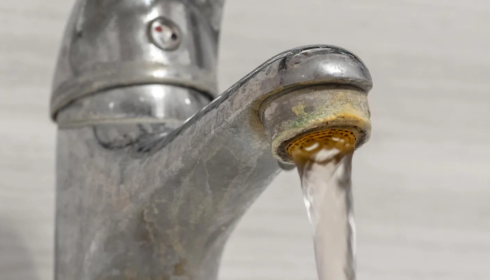
The chalky white residue left behind by evaporated water is usually caused by mineral deposits settling onto surfaces. At first, it’s mostly cosmetic. You wipe it away and move on. But inside pipes and appliances, the same process continues where homeowners can’t easily see it happening.
Eventually, showerheads clog. Water pressure drops. Heating systems become less efficient. Plumbing repairs become more common. And because all of this happens gradually, many homeowners don’t connect the dots until years later.
Small Water Problems Add Up
The interesting thing about household water issues is that they rarely arrive as one giant disaster. Instead, they show up through dozens of small frustrations that slowly pile together.
Maybe your dishwasher never seems to fully clean the glasses. Maybe soap scum builds up faster than expected. Maybe the bathroom requires constant scrubbing no matter how often it’s cleaned. Individually, none of these problems seem huge. Together, though, they create a home that feels harder to maintain.
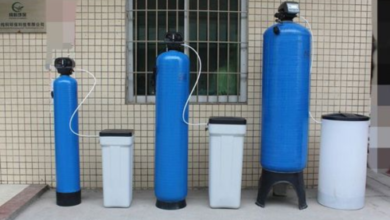
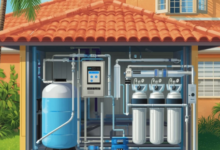
That’s probably why more homeowners are paying attention to water treatment systems now than they did in the past. People aren’t just worried about safety anymore. They want water that supports easier living instead of quietly creating extra work around the house.
Better Water Changes Daily Life in Quiet Ways
What’s funny is how subtle the improvements feel once water conditions are addressed properly.
People often expect some dramatic transformation, but it’s usually quieter than that. Towels feel softer. Dishes dry cleaner. Showers become more comfortable. Appliances stop struggling as much. Even tea and coffee sometimes taste smoother because excess minerals no longer interfere with flavor.
None of these changes make headlines, obviously. But they shape daily life in ways homeowners genuinely appreciate after living with poor water conditions for years.
And maybe that’s the bigger lesson here. Water isn’t just something we drink. It affects nearly every corner of home life — from the lifespan of appliances to the comfort of a simple morning shower.
Once you start understanding how minerals interact with your household water, it becomes easier to see why so many people are investing more thought into something they used to take completely for granted.