There’s a point in every home where little things stop feeling “little.” The kettle takes longer to clean. The shower head sprays unevenly. Glasses come out of the dishwasher with a cloudy film that wasn’t there before. At first, you ignore it. Life is busy, after all. But slowly, those tiny annoyances start piling up until you can’t unsee them anymore.
Most people don’t connect these things to water right away. It feels too simple an explanation. But often, the answer is exactly that simple.

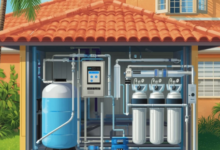
Water carries more than what we see.
The Quiet Problem Building Inside Your Pipes
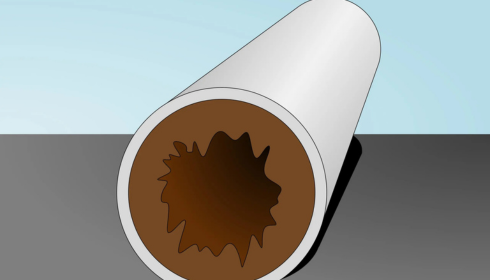
What most homeowners are dealing with isn’t a dramatic failure — it’s a slow, almost invisible buildup inside the system. Over time, minerals in water settle and harden on surfaces, forming what’s commonly known as scale buildup.
It doesn’t happen overnight. It creeps in. A thin layer here. A faint crust there. And before long, it starts affecting how your appliances perform, how your taps flow, even how your cleaning products behave.
I once visited a house where the owner kept replacing kettles every year, convinced they were just “bad quality.” Turns out, the real issue wasn’t the kettle at all — it was what was forming inside it.
That’s the tricky part. Scale buildup doesn’t announce itself. It just quietly takes up space where water is supposed to flow freely.
What’s Really in Your Water Matters More Than You Think
If you zoom in far enough, the story becomes even more interesting. Water isn’t just H₂O once it leaves the source. It picks up minerals along the way, especially in regions with underground rock formations.
Two of the biggest contributors are calcium and magnesium. They’re completely natural, not dangerous in normal levels, but they’re the main reason hard water behaves the way it does in homes.
Calcium, in particular, loves to stick around. It settles on heating elements, inside pipes, and on surfaces that get frequent water contact. Over time, it builds layers that restrict flow and reduce efficiency.
And while it sounds technical, the real-world effect is simple: things just stop working as smoothly as they should.
You scrub more. Clean more. Replace more.
Magnesium: The Quiet Partner in the Problem
Right alongside calcium, magnesium plays its role too. It behaves similarly, contributing to hardness and leaving behind residue that can be frustrating to deal with over time.
When water contains higher levels of magnesium, you might notice soap not lathering properly or laundry feeling slightly stiff even after washing. It’s subtle at first — easy to blame on detergent or machines — but it often traces back to the water itself.
What’s interesting is how normalized these effects become. People adapt without realizing they’re adapting. “That’s just how it is here,” becomes the default explanation.
But in reality, it doesn’t have to stay that way.
The Slow Cost of Ignoring Water Quality
Here’s where things get a bit practical.
Scale buildup inside appliances doesn’t just affect appearance or convenience — it affects performance. Water heaters use more energy. Washing machines work harder. Dishwashers lose efficiency over time.
It’s not an immediate bill shock. It’s more like a slow leak in your wallet you don’t notice until later.
And because the changes are gradual, most people don’t connect the dots. They just assume appliances age quickly or need frequent maintenance. Sometimes that’s true — but often, it’s water quietly doing its thing in the background.
Why People Start Paying Attention Too Late
There’s usually a trigger moment.
A shower that suddenly feels weaker. A washing machine repair that feels too soon. Or a plumber mentioning scale during a routine visit.
That’s when people start digging deeper into what’s actually happening inside their water system.
And the realization is usually the same: the problem was there for a long time. It just wasn’t obvious enough to act on earlier.
That’s the frustrating part about water quality issues — they don’t demand attention. They wait for it.
Small Changes That Make a Big Difference
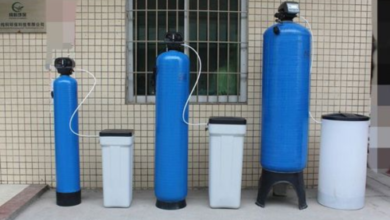
The good news is that once people understand what’s happening, solutions aren’t complicated. Addressing mineral content, reducing hardness, and managing scale buildup can significantly improve how a home functions.
And the benefits show up in everyday ways.
Less scrubbing in the kitchen. Cleaner bathroom fixtures. Appliances that last longer than expected. Even something as simple as a kettle staying clean for more than a few weeks starts to feel oddly satisfying.
It’s not a dramatic transformation. It’s a smoothing out of daily friction.
A Different Way to Think About Water
Most of us treat water as a background utility — something that should just work without thought. And most of the time, it does.
But when it doesn’t, it affects almost everything in the home in small, interconnected ways.
Understanding the role of minerals like calcium and magnesium, and how they contribute to long-term buildup, changes how you look at those everyday annoyances. They stop feeling random and start feeling connected.
And once you see that pattern, it’s hard to unsee it.
The Quiet Relief of Things Working Properly Again
In the end, good water doesn’t feel like an upgrade you brag about. It feels like something returning to normal.
Showers that feel right. Appliances that don’t struggle. Surfaces that stay cleaner without extra effort.
No drama. No big announcement.
Just a home that slowly stops fighting you — and starts working with you instead.