There’s a moment almost every homeowner experiences at some point — opening a monthly bill and staring at the number for a little too long. Sometimes it’s electricity. Sometimes gas. And quite often, it’s water. You look at the amount, mentally replay the month, and wonder, “How did we even use that much?”
The strange thing about water is how invisible it becomes in everyday life. We use it constantly without really noticing. Morning showers, laundry cycles, dishwashers humming in the background, sprinklers running before sunrise — it all blends into routine. Until the bill arrives, of course.
I used to think reducing water costs meant sacrificing comfort somehow. Shorter showers. Dry lawns. Constantly reminding people to turn taps off. But honestly, that old mindset misses the point. Modern water efficiency isn’t really about restriction anymore. It’s about being smarter with what we already use.
The Quiet Drain on Household Budgets
A surprising amount of household waste comes from things people barely notice. Tiny leaks under sinks. Old toilets that use far more water than newer models. Outdoor irrigation systems spraying sidewalks instead of grass. These aren’t dramatic problems, which is probably why they often go ignored for months or even years.
And yet, they slowly increase utility bills in the background without homeowners realizing where the extra cost is coming from.
What’s interesting is how often people blame rising city rates before checking their own habits or equipment first. Sometimes the issue really is the infrastructure inside the house, not the pricing outside it.
Even something as simple as an aging washing machine can consume dramatically more water than modern alternatives. Most people never compare usage until they replace the appliance and suddenly notice lower monthly costs without changing their routine at all.
Small Changes Tend to Last Longer
One thing I’ve learned from talking to homeowners is that extreme conservation plans rarely survive longer than a few weeks. Nobody wants to feel like they’re living under strict rules in their own home.
The more effective approach usually comes from small, manageable changes that naturally fit into daily life.
Fixing leaks quickly. Running full laundry loads instead of half-empty ones. Watering gardens earlier in the morning to reduce evaporation. Choosing fixtures designed for lower consumption without sacrificing pressure.
None of these changes feel dramatic individually. But together, they create meaningful improvements over time.
And honestly, that’s where real water conservation happens — not through guilt or pressure, but through awareness and smarter systems working quietly in the background.
Technology Has Quietly Improved
There’s this outdated belief that “efficient” automatically means weaker or less comfortable. People still remember older low-flow showerheads that felt more like standing under a leaking pipe than taking a proper shower.
Thankfully, things have changed.
Modern plumbing fixtures and appliances have improved tremendously over the last decade. New dishwashers often clean better while using less water. Updated toilets are far more efficient without constant flushing problems. Smart irrigation systems can even adjust watering schedules based on weather conditions automatically.
Most homeowners don’t realize how outdated their equipment is until they upgrade and compare the difference firsthand.
Efficient Homes Feel Different
It’s difficult to explain until you experience it, but homes with thoughtful water management often feel smoother somehow. Less waste. Fewer plumbing headaches. More consistency.
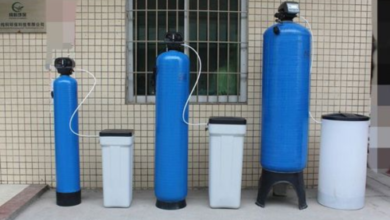
That’s one reason many homeowners are investing in efficient water systems rather than waiting for major problems to appear. These systems aren’t just about reducing usage; they also help maintain pressure, protect appliances, and improve overall household performance.
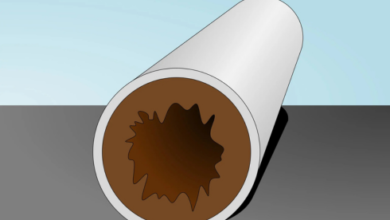
For example, homes with hard water often experience mineral buildup that forces water heaters and dishwashers to work harder over time. A properly designed system can reduce that strain significantly, which may extend appliance lifespan and improve energy efficiency too.
So while the upfront investment sometimes makes people hesitate, the long-term benefits tend to reach beyond the water bill alone.
Outdoor Water Use Is Often Overlooked
Indoor habits get most of the attention, but outdoor watering quietly consumes enormous amounts of water in many homes. Lawns especially can become surprisingly expensive during hot seasons.
I’ve seen sprinkler systems running during rainstorms simply because nobody updated the timer. It happens more often than people think.
Simple adjustments make a bigger difference than expected:
- Watering early in the morning
- Using drip irrigation for gardens
- Choosing native plants that require less moisture
- Checking sprinklers for misalignment regularly
These aren’t glamorous home upgrades, admittedly. But they work.
And unlike trendy smart-home gadgets that lose attention after a few months, lower water usage keeps paying off continuously.
Maintenance Matters More Than Most People Realize
A lot of homeowners focus heavily on installation while forgetting maintenance completely. But neglected systems lose efficiency gradually over time.
Filters need replacement. Irrigation lines clog. Pressure regulators wear down. Minor issues quietly grow into larger ones when nobody pays attention.
The good news is that most maintenance tasks are relatively simple when handled early. Waiting until something fails completely is usually what turns a manageable repair into an expensive problem.
Final Thoughts
Water is one of those things people rarely appreciate until something goes wrong — a leak, an appliance failure, or a shockingly high monthly bill. But improving efficiency doesn’t have to mean changing your lifestyle completely.
Often, the biggest improvements come from small decisions repeated consistently over time.
Better fixtures. Smarter watering habits. Routine maintenance. Paying attention to hidden waste instead of assuming higher costs are unavoidable.
None of it feels revolutionary on its own. Yet together, these changes create homes that run more efficiently, cost less to maintain, and waste far less water in the process.
And honestly, that’s probably the goal most homeowners are really after — not perfection, just a home that works a little smarter every day.