You can live in a house for years before realizing your water is quietly causing problems. At first, it just feels like ordinary wear and tear. The showerhead sprays unevenly. Glasses come out of the dishwasher looking cloudy. Soap seems oddly stubborn, refusing to rinse away cleanly no matter how much hot water you use.
Then one day, maybe during a plumbing repair or while cleaning the bathroom for the third time that week, you start connecting the dots.
Water quality affects more parts of a home than most people realize.
And honestly, once you notice the signs, it’s difficult to stop seeing them everywhere.
Hard Water Doesn’t Announce Itself Loudly
One reason homeowners often ignore water issues is because hard water rarely creates immediate disasters. Instead, it causes a long list of smaller frustrations that slowly build over time.
The white crust around faucets. The stiff laundry. The dry skin after showers. Appliances that seem to wear out faster than expected.
A plumber once described it to me as “death by a thousand mineral deposits,” which sounded dramatic at the time, but honestly wasn’t completely wrong.
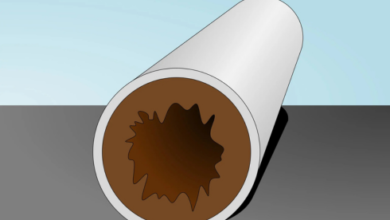
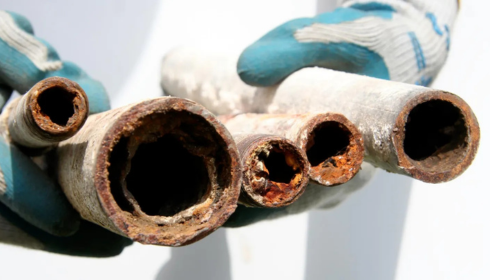
One of the biggest problems homeowners encounter is scale buildup inside plumbing systems and appliances. Minerals like calcium and magnesium gradually collect along pipes, heating elements, and fixtures, reducing efficiency little by little. Water heaters often struggle first because heat speeds up mineral accumulation.
What makes this tricky is that most of the damage happens where people can’t actually see it.
Appliances Feel the Impact First
If you’ve ever replaced a coffee maker surprisingly early or noticed your dishwasher performing worse over time, hard water might be part of the reason.
Mineral-heavy water forces appliances to work harder. Heating systems become less efficient as deposits collect internally. Washing machines and dishwashers may develop clogs or reduced water flow. Even plumbing fixtures lose performance slowly as minerals accumulate inside narrow openings.
And yet homeowners often blame the appliance itself rather than the water moving through it.
It’s understandable, honestly. Most people don’t spend much time thinking about the mineral content in their tap water while unloading laundry or making coffee before work.
Why Water Treatment Has Become More Common
Years ago, home water treatment systems felt like niche upgrades for rural homes or luxury properties. Now they’ve become surprisingly mainstream, especially as homeowners pay closer attention to long-term maintenance costs.
A major reason is that effective mineral removal helps reduce stress on plumbing systems throughout the house. By lowering the concentration of minerals responsible for hard water problems, homeowners often notice cleaner fixtures, softer laundry, and fewer maintenance headaches overall.
The improvements aren’t usually dramatic overnight. Instead, it’s more like a gradual easing of constant little annoyances.
You stop scrubbing stubborn stains as often. Soap lathers properly again. Appliances seem to run more smoothly. Towels feel softer instead of rough and stiff after washing.
Little things, really.
But daily life is mostly made of little things.
Water Quality Changes the Feel of a Home
This part is harder to measure, but many homeowners say softer or treated water simply makes a house feel more comfortable somehow.
Showers become more pleasant. Skin feels less irritated during colder months. Hair behaves differently. Even cleaning products seem to work better because they rinse away more easily without fighting mineral-heavy water.
There’s something oddly satisfying about wiping down a faucet and not seeing white residue return almost immediately afterward.
One family I spoke with described their water treatment system as “an invisible home upgrade.” Nobody walks into the house and notices it directly, but everyone notices the difference in everyday routines after a while.
That’s actually a pretty accurate description.
Choosing the Right System Takes Patience
The internet tends to oversimplify water treatment. You’ll find endless advertisements claiming one particular filter or conditioner solves every possible problem. Real life is messier than that.
Different homes have different water conditions. Some households mainly deal with hard minerals. Others struggle with chlorine taste, sediment, or aging pipes. Well water systems often require completely different solutions compared to municipal supplies.
That’s why proper testing matters before investing in equipment.
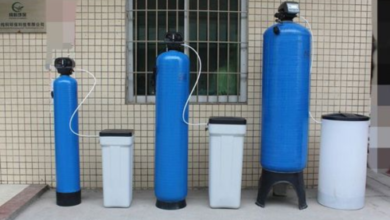
Good water conditioning systems are designed around actual water quality results rather than generic assumptions. Some homes benefit from traditional softeners. Others may only need filtration or conditioning systems depending on mineral levels and overall usage patterns.
And honestly, not every home needs the most expensive setup available.
Sometimes simpler systems work perfectly well when matched correctly to the problem.
Maintenance Is Part of the Deal
One thing companies don’t always emphasize enough is maintenance. Even excellent systems need occasional servicing to stay effective.
Filters require replacement. Softening systems need monitoring. Components wear out eventually. Fortunately, modern equipment is usually easier to maintain than older systems were decades ago.
Still, consistency matters.
Ignoring maintenance defeats the purpose of improving water quality in the first place. Fortunately, most homeowners adapt to the routine fairly quickly once they start seeing the benefits.
It becomes another normal part of homeownership — like replacing HVAC filters or cleaning gutters before rainy season arrives.
Better Water Quietly Improves Everyday Life
The interesting thing about water quality is that people rarely appreciate it until something feels wrong. Clean, balanced water doesn’t demand attention. It simply works quietly in the background of daily life.
That’s probably why homeowners who invest in treatment systems often describe the experience in surprisingly emotional terms afterward. Not because it’s glamorous or exciting, but because removing constant little frustrations creates a noticeable sense of comfort at home.
Coffee tastes cleaner. Showers feel better. Appliances last longer. Cleaning becomes easier.
None of those changes sound life-changing individually.
Together, though, they shape the rhythm of everyday living more than most people expect.