
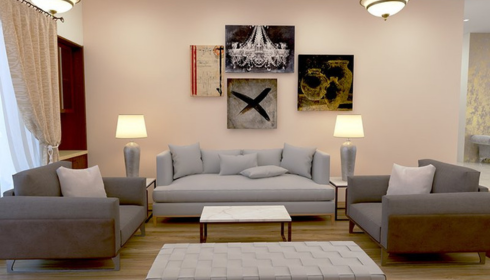
Some homes just feel easy to be in. The light falls naturally across the room, the spaces make sense, and there’s this quiet comfort you notice almost immediately. It’s hard to explain exactly, but people recognize it when they feel it.
And honestly, that feeling rarely comes from expensive furniture or perfectly styled decor alone.
It usually comes from thoughtful decisions. Small ones, sometimes. The kind people don’t notice individually but absolutely feel together.
That’s probably why so many homeowners are rethinking the way they approach renovations now. They’re no longer trying to create homes that simply look impressive online. They want spaces that genuinely improve everyday life.
Why Renovating Feels More Personal Than Ever
A house changes over time because the people inside it change too.
What once worked for a young couple may suddenly feel cramped after children arrive. A formal dining room might become wasted space while everyone gathers in the kitchen instead. Spare bedrooms quietly transform into offices, gyms, or creative studios without anyone fully planning it.
At some point, homeowners realize the issue isn’t always the house itself — it’s that the space no longer reflects how they actually live.
That realization often sparks a home renovation project. Not because people are chasing perfection, but because they want their environment to support their routines more naturally.
And honestly, our homes affect us more than we admit. Poor layouts create stress. Lack of storage creates clutter. Dark spaces can drain energy over time without us even noticing.
A well-designed home tends to make ordinary days feel smoother somehow.
The Best Renovations Aren’t Always the Biggest Ones
Television shows make it seem like every renovation needs dramatic demolition and massive transformations. Sometimes that happens, sure. But many of the most successful upgrades are surprisingly subtle.
A wider doorway.
Better lighting.
Smarter storage.
Improved traffic flow between rooms.
Small changes can completely shift how a home feels.
That’s especially true with thoughtful interior remodeling projects focused on functionality instead of just appearances. A redesigned kitchen can encourage families to spend more time together naturally. An updated bathroom can turn rushed mornings into calmer ones. Even removing a single wall may completely change the mood of a home by allowing more light and openness.
The emotional impact of space is real, even if people rarely talk about it directly.
Trends Come and Go, Comfort Usually Stays
Every year introduces a new “must-have” design trend. One month everything is minimalist and bright white. The next month dark wood and moody textures take over social media.
Some trends genuinely work.
Others fade surprisingly fast.
The homeowners who seem happiest long-term are usually the ones who focus less on trends and more on timeless comfort.
Natural light rarely goes out of style.
Neither do practical layouts or durable materials.
The most inviting homes often combine clean design with personality instead of trying to imitate a showroom. Maybe there’s a vintage table passed down through family. Maybe the bookshelves are slightly cluttered in a charming way. Maybe the furniture doesn’t perfectly match, but somehow the room feels warm because of it.
Perfectly polished spaces can look beautiful in photographs while still feeling cold in real life.
Customization Makes a Huge Difference
One thing people discover during renovations is that standard layouts don’t always support individual lifestyles very well.
Some families cook constantly and need kitchens designed around real use. Others prioritize entertaining, quiet workspaces, or multigenerational living arrangements. That’s where custom remodels become incredibly valuable.
Instead of forcing homeowners to adapt to generic floor plans, custom renovations shape spaces around actual habits and routines.
And honestly, that usually leads to better long-term satisfaction.
A home should feel tailored to the people living inside it, not designed for strangers scrolling through social media feeds. The little details matter:
- Built-in storage where clutter naturally gathers
- Seating areas that encourage conversation
- Lighting that changes mood throughout the day
- Materials that age gracefully rather than requiring constant upkeep
Those choices quietly improve daily life over time.
Renovation Stress Is Completely Normal
Nobody talks enough about how emotionally exhausting renovations can become.
At first, it feels exciting. Inspiration boards everywhere. Paint samples spread across the table. Endless ideas.
Then reality kicks in.
Budgets shift unexpectedly. Deliveries get delayed. Decision fatigue hits hard around the fifteenth tile sample that somehow looks identical to the previous fourteen.
And yet, most homeowners still say the process was worth it once everything settles.
Because a thoughtfully renovated home changes more than appearances. It changes routines. It creates comfort. It makes spaces feel easier to live in.
Sometimes the transformation is emotional as much as physical.
Homes Shape Everyday Life Quietly
The spaces we live in influence us constantly, often without us realizing it.
A cluttered layout can create tension.
Poor lighting affects mood.
Lack of privacy becomes draining over time.
On the other hand, well-designed spaces tend to support peace of mind naturally. They allow people to relax more easily, gather more comfortably, and move through daily routines with less friction.
That’s why good renovations rarely feel superficial. At their best, they improve quality of life in quiet, lasting ways.
And honestly, that’s probably the real goal behind all of it.
Not perfection.
Not trend-chasing.
Not impressing guests.
Just creating a home that feels genuinely good to return to at the end of the day — a place that supports real life, with all its noise, messiness, routines, and small beautiful moments in between.
