Water is one of those everyday essentials that’s easy to overlook. We drink it, cook with it, wash clothes in it, and shower with it without giving much thought to what’s actually coming through the pipes. That changes quickly when you notice cloudy water, strange tastes, stubborn stains, or buildup around your faucets.
The good news is that you don’t have to guess what’s happening. A proper water test can reveal useful information about the condition of your water and help you decide whether treatment is actually necessary.
Start With the Basics
Water quality isn’t exactly the most exciting topic at the dinner table, but it matters. Different water sources can contain different minerals, particles, and chemical characteristics. Municipal supplies are treated before reaching homes, while private wells can vary significantly depending on groundwater conditions.
Even within the same area, water can behave differently from one property to another.
That’s why testing is such a sensible first step. Instead of buying equipment because a neighbor has it or because an advertisement makes it sound useful, you can base your decision on actual information.
Why pH Levels Matter
One important measurement in water testing is pH levels. The pH scale indicates whether water is acidic, neutral, or alkaline.
Water chemistry can influence plumbing, fixtures, and the performance of certain treatment systems. Water that is too acidic, for example, may contribute to corrosion in some plumbing environments.
pH by itself doesn’t tell you everything about water quality, though. It’s one piece of a much larger picture.
Think of a water test like getting a basic checkup for your home’s water system. One number rarely explains the whole story.
Understanding Total Dissolved Solids
Another measurement you may encounter is Total Dissolved Solids. TDS refers broadly to the amount of dissolved substances present in water, including various minerals and salts.
A high TDS reading doesn’t automatically mean water is unsafe. It simply tells you that there is a greater amount of dissolved material present.
This distinction is important because water quality decisions shouldn’t be based on one number alone. A complete evaluation considers what those dissolved substances actually are and whether they create a practical or health-related concern.
If you’re considering reverse osmosis or another treatment method, understanding TDS can be useful when discussing your options with a qualified water professional.
When Sediment and Turbidity Become a Problem
Sometimes the issue isn’t something dissolved in the water at all. You may instead be dealing with tiny particles floating through the system.
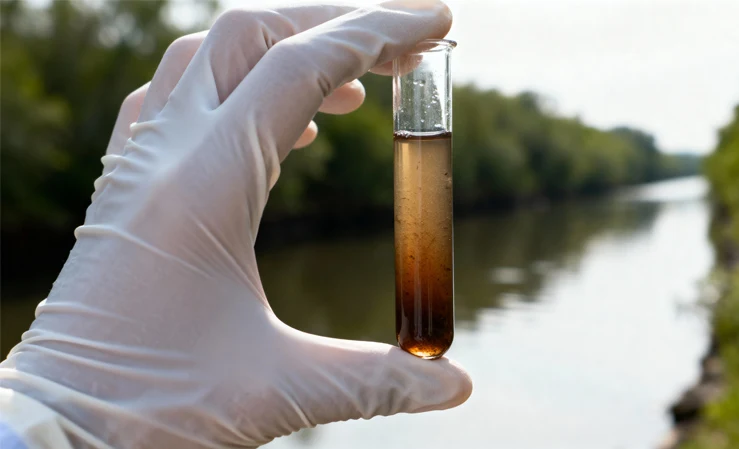
Sediment and turbidity can make water appear cloudy or hazy. Sediment may come from the water source, plumbing, storage tanks, or changes in the system.
Visible particles can also collect in faucet aerators and appliances, which is annoying at best and potentially damaging over time.
A sediment filter may help in some situations, but the right filter depends on the size and nature of the particles. If the source of the sediment isn’t addressed, simply replacing filters over and over may not solve the underlying problem.
Testing Is Better Than Guessing
It’s easy to make assumptions based on appearance.
Clear water must be good, right? Not necessarily. Likewise, water that has a slight color or mineral taste isn’t automatically dangerous.
Some water-quality characteristics can’t be identified by sight, smell, or taste. Testing provides a more useful starting point.
For homeowners with private wells, periodic testing can be particularly valuable because groundwater conditions can change. Heavy rain, flooding, nearby construction, agricultural activity, or changes to the well itself may influence water quality.
If your water suddenly changes, that’s a good reason to investigate rather than simply getting used to it.
Different Problems Need Different Solutions
One of the biggest mistakes homeowners make is assuming that one filtration system can solve every water problem.
It usually can’t.
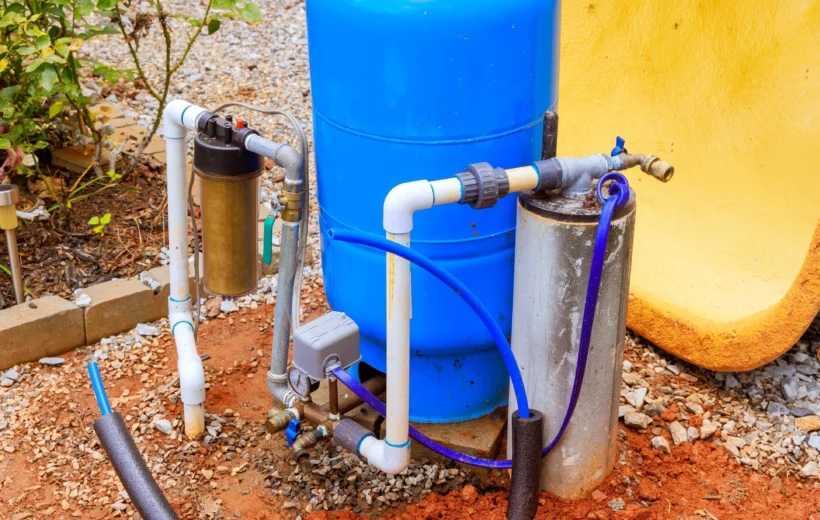
A sediment filter is designed for particles. A softener is primarily intended to address hardness. Reverse osmosis can reduce certain dissolved substances. Other treatment systems are designed for specific contaminants or water conditions.
The right system depends on what your test results show.
This is why buying a large, expensive setup without understanding your water first can be a waste of money. Bigger doesn’t always mean better. Sometimes a relatively simple treatment method is all that’s needed.
Don’t Forget About Maintenance
Once you install a water treatment system, it needs to be looked after.
Filters become saturated. Components wear out. Tanks may need cleaning. Some systems require regular servicing to continue performing properly.
Ignoring maintenance can gradually reduce effectiveness, and in some cases you might not realize there’s a problem until the water quality changes again.
Keep a record of filter changes and service dates. It sounds like a small thing, but it makes keeping track of the system much easier.
When Professional Help Makes Sense
There’s nothing wrong with doing some research yourself. In fact, it’s a good idea. But complicated water-quality problems can be difficult to diagnose without proper testing and experience.
A qualified professional can help interpret test results and explain which treatment options make sense for your property.
Be cautious of anyone who recommends expensive equipment before asking about your water source or testing results. Good advice should begin with understanding the problem.
You should also feel comfortable asking what a system removes, how often it needs maintenance, and what the long-term operating costs will be.
Better Decisions Start With Better Information
Water treatment doesn’t need to feel mysterious or overwhelming. The process can be surprisingly straightforward when you take it one step at a time.
Start by identifying where your water comes from. Test it when appropriate. Understand the results. Then compare treatment options based on the actual problem rather than marketing claims.
Your home’s water may need treatment, or it may not. Either way, knowing what you’re dealing with is valuable.
After all, good water management isn’t about buying the most sophisticated equipment on the market. It’s about making a practical decision that fits your home, your water, and your everyday needs. A little information upfront can save money, prevent frustration, and make the water coming from your tap one less thing to worry about.