Water Quality Is Part of Everyday Life
Water is easy to take for granted. It’s there when we brush our teeth, make coffee, cook dinner, wash clothes, and step into the shower after a long day. We rarely stop to think about what’s happening behind the scenes.
Then one morning, the faucet has white buildup around it. The showerhead isn’t spraying quite like it used to. Maybe the water tastes slightly different. Suddenly, water quality becomes a household conversation.
For homeowners, improving water quality isn’t necessarily about chasing the latest gadget. It’s about understanding the water, identifying specific concerns, and choosing treatment equipment that makes practical sense for the home.
Local Experience Can Make a Real Difference
Water conditions can vary from one area to another, and even neighboring homes can have different concerns depending on plumbing, water sources, and household usage.
That’s why decades of local expertise can be valuable when selecting a water treatment provider. Experience in the local community can help professionals recognize common water-quality challenges and understand what types of solutions are likely to work well in different homes.
Of course, experience isn’t a substitute for testing. A trustworthy provider should still evaluate the water rather than making assumptions. But local knowledge can make that evaluation more useful because it adds context to the results.
Sometimes knowing what to look for is half the battle.
Start With Testing Instead of Guesswork
It’s tempting to buy a water softener or filtration system after reading a few online reviews. We’ve all done something similar with household products. See a convincing advertisement, read three glowing comments, and suddenly it feels like the answer.
Water treatment deserves a little more thought.
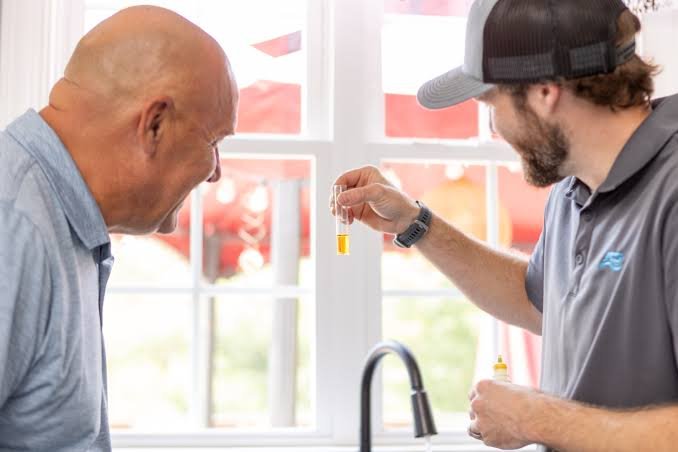
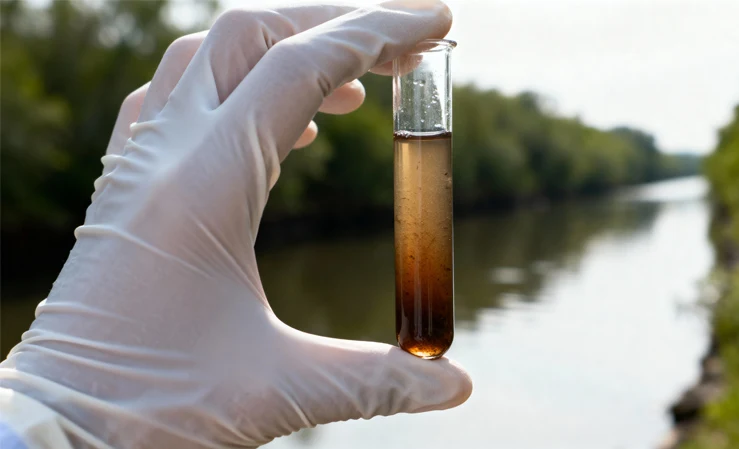
Testing can help identify characteristics such as hardness, pH, sediment, iron, chlorine, or other water-quality concerns, depending on the type of test performed. Once those characteristics are understood, homeowners can make decisions based on actual information.
This approach can also prevent unnecessary spending. If your main problem is hard water, you may not need a complex filtration setup designed to address concerns that aren’t present in your water.
Simple, really.
Technology Has Changed the Way We Treat Water
Water treatment equipment isn’t what it was twenty years ago. Modern systems can be smaller, more efficient, easier to monitor, and better suited to individual household needs.
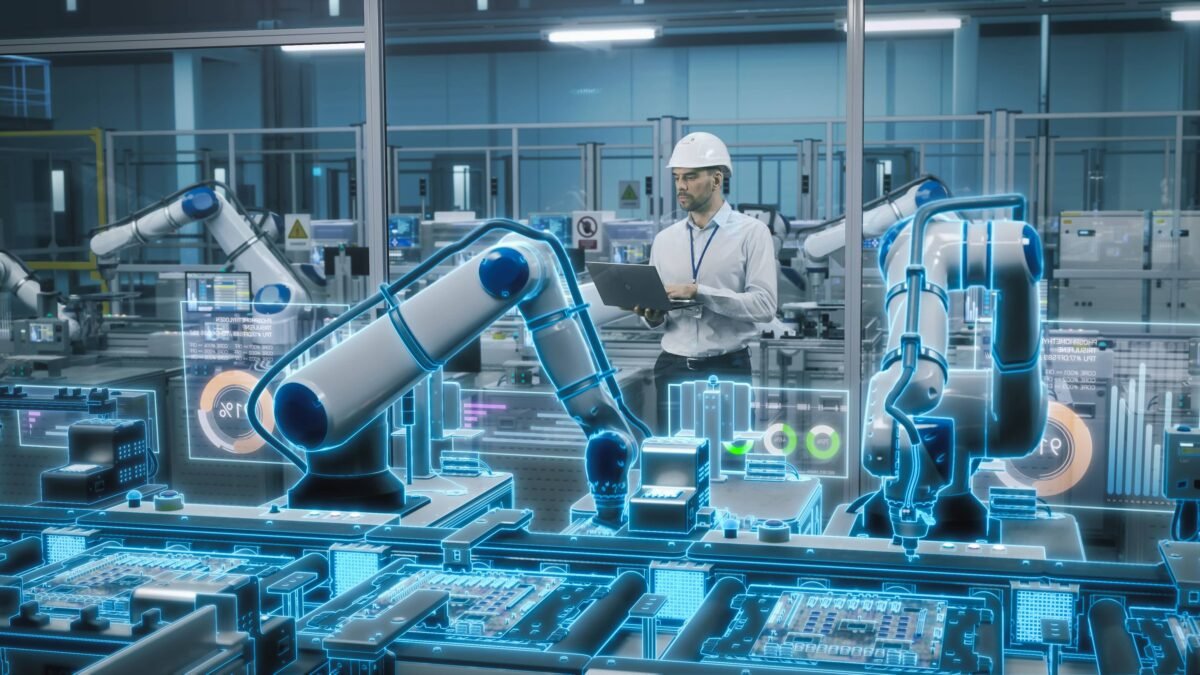
Some systems use advanced filtration methods, while others combine multiple treatment stages. Smart monitoring can also help homeowners keep track of system performance, water usage, or maintenance requirements.
For households looking for industry-leading technology, the important thing is not simply choosing equipment with the most impressive specifications. Technology should have a purpose.
A feature is only valuable if it solves a problem or makes the system easier to use. Fancy controls won’t compensate for poor installation or a treatment method that doesn’t match your water.
Good Water Treatment Is About Balance
It’s easy to get caught up in the idea that more filtration automatically means better water. That’s not always the case.
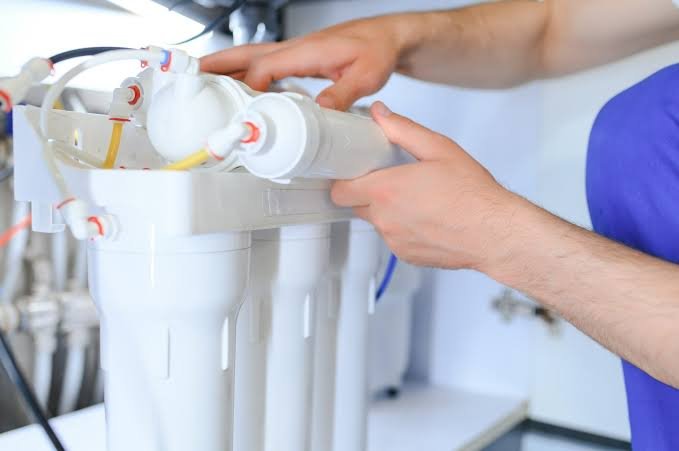
Every treatment technology has a particular job. Water softeners are designed primarily for hardness. Carbon filtration can target certain tastes and odors. Reverse osmosis systems use membrane filtration for more intensive treatment of drinking water.
The right combination depends on your water and your goals.
For example, a homeowner who mainly wants to reduce mineral scale may need a very different setup from someone focused primarily on drinking-water filtration. Choosing equipment based on actual needs usually produces better results than buying a system simply because it has more stages.
Maintenance Is Part of the Investment
A water treatment system isn’t something you install and forget forever.
Filters need replacing. Components may require inspection. Some systems need periodic cleaning or professional service. Ignoring these tasks can gradually reduce performance.
Before purchasing equipment, ask about maintenance schedules and ongoing costs. Find out which parts need regular replacement and whether those parts are readily available.
A system that is easy to maintain often has an advantage over one that looks impressive but becomes a headache after installation.
And let’s be honest—nobody wants another complicated household chore.
What Does “Healthy Water” Really Mean?
The phrase “healthy water” gets used quite a bit in advertising, but homeowners should look beyond broad claims.
Water quality should be considered in terms of specific characteristics and safety standards rather than vague promises. A treatment system should be selected according to identified water conditions and intended use.
For drinking water, proper testing and appropriate treatment are particularly important. Filtration can improve taste and reduce certain substances, but no single system removes everything.
The goal is to create water that is pure and healthy for its intended household use while keeping expectations realistic.
Don’t Overlook Installation Quality
Even excellent equipment can underperform when it isn’t installed properly.
Correct sizing, plumbing connections, flow rates, drainage, and system configuration all influence how well treatment equipment works. Professional installation can help ensure the system operates as intended.
It also gives homeowners an opportunity to understand their equipment. Knowing when filters should be replaced, what warning signs to watch for, and how the system operates can make ownership much easier.
A good installer won’t just leave the equipment behind. They should explain it.
Choosing a Provider You Can Trust
When comparing water treatment companies, look beyond product names and promotional claims. Consider experience, service availability, installation practices, warranties, maintenance support, and customer communication.
Ask questions that matter.
What does the system actually remove? Why is this technology recommended? What will maintenance cost? How long are replacement components expected to last?
Clear answers are more valuable than a long sales pitch.
A Better Approach to Water Quality
Improving household water doesn’t need to be overwhelming. Start with testing. Understand the problem. Explore the treatment options that actually address it, and consider both upfront and long-term costs.
The best water treatment system isn’t necessarily the most expensive or the most technologically complicated. It’s the one that fits the home’s water conditions, household habits, and budget while providing dependable performance.
In the end, good water treatment should fade quietly into the background. You shouldn’t have to think about it every morning when you fill your glass or every evening when you turn on the shower.
It should simply work—and when it does, those small everyday moments become a little easier.