There’s something reassuring about turning on the kitchen tap and knowing the water in your glass is clean, fresh, and suitable for everyday drinking. We often take that simple moment for granted. But depending on where you live and the condition of your water supply, what comes out of the tap may contain minerals, chemicals, sediments, or other unwanted substances.
That’s where modern water treatment can make a real difference. A reverse osmosis drinking water system is one of the most effective options for treating water at the point where you actually use it. Instead of relying on taste or appearance, it uses a carefully designed filtration process to reduce a broad range of dissolved substances.
Still, reverse osmosis isn’t a magic solution for every water problem. Understanding how it works, what it removes, and how to maintain it can help homeowners make a much smarter decision.
What Is Reverse Osmosis?
Reverse osmosis, often shortened to RO, is a water purification process that uses pressure to push water through a semipermeable membrane. The membrane has extremely tiny pores, allowing water molecules to pass through while reducing many dissolved contaminants.
It sounds rather technical, but the basic idea is pretty straightforward.
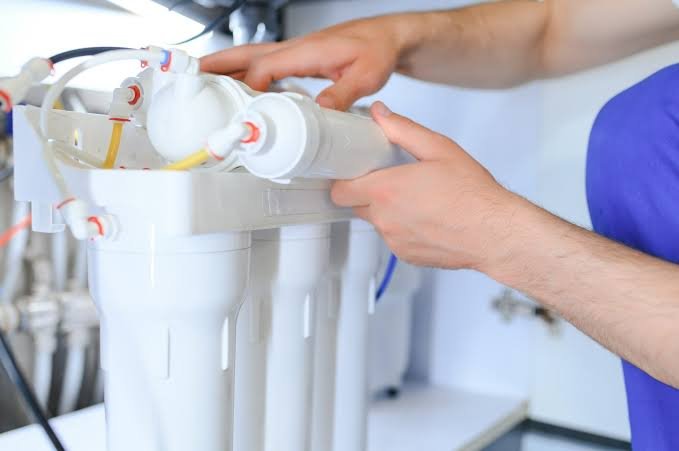
Water enters the system and passes through several stages of treatment. Sediment filters can trap particles such as dirt and rust, while carbon filtration can reduce chlorine and certain chemicals that affect taste and odor. The water then reaches the RO membrane, where many dissolved impurities are separated from the treated water.
The result is water that has been significantly purified before it reaches your glass.
Why Tap Water Can Contain Unwanted Substances
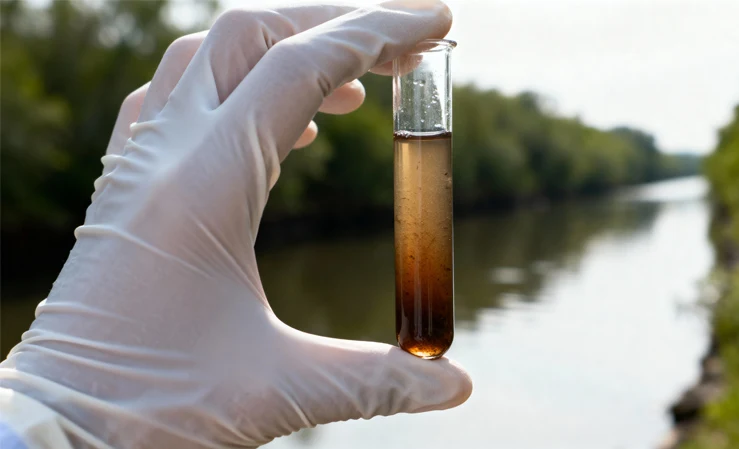
Municipal and private water supplies are generally treated, but treatment doesn’t mean that every unwanted substance disappears completely. Water can pick up materials as it travels through pipes, storage tanks, plumbing fixtures, or natural underground formations.
Depending on the source, water may contain common contaminants such as sediment, chlorine, lead, nitrates, fluoride, dissolved salts, or other substances.
Some are mainly associated with taste, odor, or appearance. Others can be more concerning, especially when exposure happens repeatedly over a long period. That’s why water testing is often a better starting point than simply buying a filtration system based on a generic claim.
A water test gives you a clearer picture of what you’re actually dealing with. And honestly, that can save money. There’s little point installing treatment designed for a problem you don’t have.
What Does an RO System Actually Remove?
One of the biggest advantages of reverse osmosis is its ability to reduce many dissolved substances that ordinary sediment filters cannot handle.
RO systems can be designed to reduce substances including dissolved salts and certain heavy metals, along with several other impurities. The exact performance depends on the membrane, system design, water pressure, maintenance, and the specific contaminant.
This is important because not all filtration systems do the same job.
A basic carbon filter might improve taste and reduce chlorine, but it doesn’t necessarily provide the same level of dissolved-solids reduction as an RO membrane. On the other hand, RO may not be the best choice for every household water issue.
For example, if your main concern is sediment, a sediment filter could be sufficient. If hardness is the major problem throughout the house, a water softener may be more appropriate. In many homes, different treatment technologies work together rather than one system doing everything.
Does RO Water Taste Different?
Yes, it can.
Some people notice that RO-treated water tastes cleaner or lighter, especially when their untreated water contains noticeable mineral flavors, chlorine, or other taste-affecting substances. Others may find it takes a little time to adjust.
Taste is surprisingly personal. What tastes refreshing to one person may taste flat to another.
Still, when the water is properly filtered and the system is maintained correctly, the difference can be pleasant. A chilled glass of delicious water after a long walk or a hot afternoon doesn’t need much convincing.
Some RO systems also include a post-filtration stage or remineralization filter. These can improve the final taste by adding selected minerals back into the treated water.
Is Reverse Osmosis Water Healthy?
The answer needs a little nuance.
Good drinking water should be safe and appropriately treated for the conditions of the household. RO can be useful when testing shows that certain contaminants need to be reduced. However, more filtration isn’t automatically better simply because it sounds more advanced.
An RO system removes many dissolved minerals along with unwanted substances. For most people, the minerals in drinking water aren’t the primary source of essential nutrition anyway; a balanced diet provides those nutrients. But system selection should still be based on actual water quality rather than marketing.
For households dealing with specific water-quality concerns, professionally selected treatment can provide healthy water that’s more suitable for regular drinking and cooking.
The key is balance. Water treatment should solve a real problem without creating unnecessary complexity.
RO Isn’t Just About Drinking Water
Although many homeowners associate reverse osmosis with a kitchen drinking-water faucet, its benefits extend to other everyday uses.
RO-treated water can be useful for cooking, making tea or coffee, filling water bottles, and preparing beverages. Some people also appreciate purified water for appliances where mineral buildup can become an issue.
However, most homes don’t need RO water from every faucet.
A point-of-use RO system at the kitchen sink is often a practical approach when the primary goal is better drinking and cooking water. Treating only the water you consume can be more efficient than installing a high-capacity system for the entire home.
For whole-house concerns, other technologies may make more sense.
Maintenance Matters More Than People Think
Even an excellent filtration system can perform poorly when it’s neglected.
Filters need to be replaced according to the manufacturer’s recommendations and the actual quality of the incoming water. RO membranes also have a service life and can become less effective over time.
A neglected system may develop unpleasant tastes, reduced water production, or other performance issues. In some cases, homeowners keep using the system simply because water is still coming out of the faucet.
That’s not a great maintenance strategy.
Regular filter changes, periodic inspections, and proper sanitization help keep the system working as intended. If you’re unsure about replacement schedules, check the manufacturer’s guidance or have a qualified water-treatment professional evaluate the equipment.
Choosing the Right System for Your Home
Before purchasing an RO unit, consider a few practical questions.
First, where does your water come from? Municipal water and private well water can have very different treatment needs.
Next, what does your water test show? Don’t skip this step if you can avoid it.
Then think about how much water your household actually uses. A small family with one drinking-water faucet has different needs from a large household that cooks frequently and fills multiple bottles every day.
Finally, consider installation and ongoing maintenance. A system isn’t really a bargain if replacement filters are difficult to find or servicing it becomes a constant headache.
The best system is usually the one that matches your water quality, household habits, budget, and long-term expectations.
A Cleaner Glass Starts With Better Decisions
Water treatment doesn’t have to be mysterious or overly complicated. The smartest approach is to understand your water first and then choose technology that addresses the problems identified by testing.
Reverse osmosis can be an excellent tool for reducing many dissolved impurities and improving drinking-water quality. But it works best when properly selected, correctly installed, and maintained on schedule.
At the end of the day, clean water is one of those everyday comforts we notice most when it isn’t there. A little attention to what comes out of your tap can go a surprisingly long way toward making the water you drink, cook with, and rely on every day feel a whole lot better.