
You don’t think about your water system on a good day. You turn the tap, it flows. Shower feels right, washing machine hums along, everything just… works.
But then there are those slightly annoying days. The pressure dips for no clear reason. The pump sounds like it’s working overtime. Maybe the flow starts strong and then fades out like it’s losing interest midway. Nothing dramatic—just enough to make you wonder what’s going on behind the scenes.
Turns out, those small inconsistencies often trace back to a part of the system most people never really notice.
The Unseen Backbone of Well Systems
Homes that rely on well water don’t have the luxury of a constant municipal supply. Everything depends on a system working together in sync—drawing water, storing it, and delivering it at the right pressure.
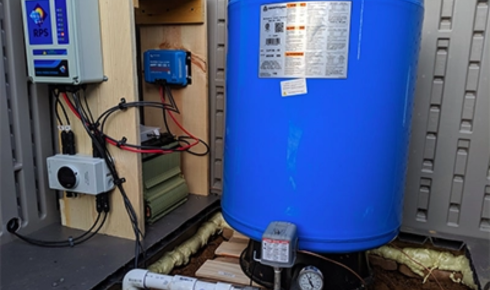
That’s where pressure tanks for wells quietly step in. They don’t just store water—they store energy, in a way. Pressurized water sits ready to be used, so your pump doesn’t need to jump into action every single time you open a faucet.
Without that buffer, your system would feel jittery. The pump would switch on and off constantly, like a car stuck in stop-and-go traffic. And over time, that kind of stress adds up.
Why Pumps Alone Aren’t Enough
It’s easy to assume the pump is doing all the work. After all, it’s the part you hear. When it kicks on, you know something’s happening.
But a pump on its own? Not very efficient.
A water pump pressure tank acts like a stabilizer. It smooths out the pressure, reduces sudden surges, and creates a more consistent flow. Instead of water coming in bursts or fluctuating unpredictably, it feels steady—almost effortless.
That’s why, when something goes wrong, the first thing people notice isn’t the tank—it’s the inconsistency. Because when the tank isn’t doing its job properly, the pump has to compensate. And that’s when you start hearing more noise, seeing uneven pressure, and feeling that something’s just not right.
It’s All About Balance
Think of your system like a partnership. The pump pulls water from the source, while the tank manages how that water is delivered.
The relationship between a pressure tank and pump isn’t just functional—it’s essential. One without the other creates imbalance. Too much reliance on the pump leads to wear and tear. Too little pressure storage means inconsistent flow.
When they’re working together properly, you don’t notice anything at all. And honestly, that’s the goal.
Signs You Might Be Ignoring
Most issues don’t start big. They creep in slowly.
You might notice your pump cycling more frequently than usual. Or the water pressure feels slightly weaker some days. Maybe there’s a delay when you turn on the tap, like the system is taking a second to catch up.
Individually, these things don’t seem urgent. Easy to ignore. But they’re often early signs that something in the system—usually the pressure tank—isn’t functioning as it should.
And waiting too long? That’s when small inconveniences turn into costly repairs.
Maintenance Doesn’t Have to Be Complicated
Here’s the good news. Keeping your system in good shape doesn’t require a deep technical background.
A bit of awareness goes a long way.
Checking the tank’s air pressure occasionally. Listening for unusual pump activity. Making sure everything feels consistent during daily use—these are small habits, but they help you catch problems early.
Sometimes, it’s as simple as adjusting pressure levels. Other times, it might mean replacing a worn-out component. Either way, staying proactive is always easier than dealing with a full system failure.
Why Consistency Matters More Than Power
People often chase higher pressure, thinking stronger flow equals better performance. But that’s not always the case.
What you really want is consistency.
A system that delivers steady, reliable pressure—whether you’re filling a glass of water or running multiple fixtures at once. That kind of performance doesn’t come from raw power. It comes from balance, from components working together the way they’re designed to.
And that’s exactly what a well-maintained pressure tank helps achieve.
The Quiet Comfort of a System That Works
There’s something underrated about a home system that just does its job without drawing attention. No noise, no fluctuations, no surprises.
It’s easy to overlook that kind of reliability. But once you’ve experienced inconsistent pressure or frequent pump issues, you start to appreciate the difference.
Because in the end, it’s not about having the most advanced setup. It’s about having one that works—day in, day out—without making you think about it.
Final Thoughts
Water systems don’t need to be complicated to be effective. In fact, the best ones usually aren’t.
They rely on simple principles—balance, consistency, and a bit of routine care. And while the pump might get all the attention, it’s the pressure tank that often makes the biggest difference.
So the next time your water flows just right, without a hitch, take a second to appreciate what’s happening behind the scenes.
Because sometimes, the most important parts of a system are the ones you never see.