There’s a moment most of us don’t talk about. You take a sip of water, pause for half a second, and think—that tastes a little different today. Not bad enough to spit out. Not strong enough to complain about. Just… noticeable.
And then you move on.

Water is one of those things we trust without thinking too much about it. It’s always there, flowing when we need it, doing its job quietly. But every now and then, it reminds you that it’s not as simple as it looks.
When Water Starts to Feel Different
Most water issues don’t arrive dramatically. They show up in small ways—a faint smell, a slightly metallic taste, a feeling that your skin is a bit drier after a shower. Individually, they don’t seem like much.
But together, they create a subtle discomfort.
For many people, one of the first things they notice is the presence of chlorine. It’s added to municipal water to keep it safe, and it does its job well. But it can also leave behind a taste or smell that feels out of place, especially when you’re expecting something fresh and neutral.
You get used to it over time. Most people do. But that doesn’t mean it’s ideal.
The Invisible Side of Water
Here’s the thing—water isn’t just what you see in a glass. It carries everything it picks up along the way. Minerals from the ground, residues from treatment processes, and sometimes trace elements that don’t show up clearly in taste or smell.
These are often grouped under the term water contaminants, but that phrase can sound more alarming than it needs to be. Not all contaminants are harmful, and many exist in levels considered safe.
Still, they can affect how water behaves. How it tastes. How it interacts with your home, your appliances, even your body.
And once you start thinking about it, you realize how much of your daily life is influenced by something you rarely question.
The Patterns You Don’t Notice Right Away
Water issues rarely stand out on their own. They blend into your routine.
Your kettle builds up scale faster than expected. Your dishes come out of the wash looking a bit cloudy. Soap doesn’t lather quite the way it should. None of these feel urgent, so you adapt.
You clean more often. You switch products. You adjust without really thinking about why.
But over time, these small adjustments start to feel like effort. And that’s when the idea of water quality problems becomes more than just a technical term—it becomes something you’re actually experiencing.
Understanding Without Overthinking
It’s easy to go down a rabbit hole with water. There’s a lot of information out there, and not all of it is helpful. The goal isn’t to analyze every drop or worry about every possibility.
It’s simply to understand enough to make better decisions.
Water varies depending on where you live, how it’s treated, and what it passes through. Some areas have higher mineral content. Others have stronger treatment residues. There’s no universal “perfect” water—just different versions with different characteristics.
Once you accept that, the conversation becomes less about fear and more about improvement.
Small Changes That Actually Matter
You don’t need a complicated system to make a difference. Sometimes, the simplest solutions are the most effective.
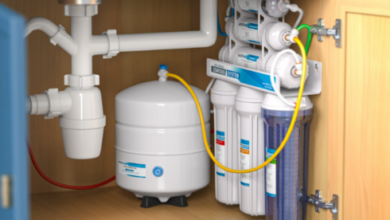
A basic filter can reduce taste and odor issues. A more advanced setup can address specific concerns like hardness or chemical presence. It’s not about eliminating everything—it’s about making water work better for your daily life.
And the changes don’t have to be dramatic. In fact, they rarely are.
The Difference You Feel Over Time
Improving your water doesn’t usually come with a big “before and after” moment. It’s more gradual.
Your water tastes cleaner. Your appliances seem to last longer. Your skin feels a bit more comfortable after a shower. Small things, spread across your day.
Then, one day, you realize you’re not thinking about your water anymore. The small annoyances you used to notice—they’re gone.
And that’s when it clicks.
Why We Don’t Pay Attention Sooner
If water affects so many parts of daily life, why do we often ignore it?
Because it doesn’t feel urgent.
Water issues live in that grey area—noticeable, but manageable. Easy to adapt to, easy to overlook. You get used to them, even if they’re not ideal.
Until something nudges you to take a closer look.
A Simpler Way to Think About It
You don’t need to turn this into a major project. You don’t need to fix everything overnight. But paying a little more attention to your water—just a little—can lead to meaningful improvements.
Start with what you notice. Taste, smell, buildup. Then take a step toward understanding it.
From there, the path becomes clearer.
Ending With a Quiet Thought
Water is one of those things we rely on without really thinking about it. It’s always there, doing its job quietly in the background.
But every now and then, it’s worth paying attention to that half-second pause—the moment when something feels just a little different.
Because sometimes, that small detail is pointing toward something that can be improved. And once you make that improvement, it’s hard to imagine going back.