It’s funny how something as ordinary as water can quietly shape your day. You don’t think about it much — until something feels off. Maybe your tea tastes a bit flat. Maybe your bathroom fixtures look dull even after cleaning. Or there’s that faint smell you can’t quite place, lingering just enough to be annoying.
Water doesn’t shout when there’s a problem. It whispers. And most of us, if we’re honest, ignore those whispers longer than we should.
When Everyday Water Starts Feeling Different
For something we use constantly, water is surprisingly easy to overlook. It’s just there, flowing on demand, doing its job. But beneath that simplicity, there’s a lot going on.
Depending on where you live, your water picks up minerals, chemicals, and sometimes even natural elements from the environment. None of this is unusual. It’s part of how water travels from source to tap. But the balance matters.
And when that balance shifts, even slightly, you begin to notice it — not always in obvious ways, but in the small inconveniences that slowly stack up.
The Quiet Impact of Minerals You Didn’t Ask For
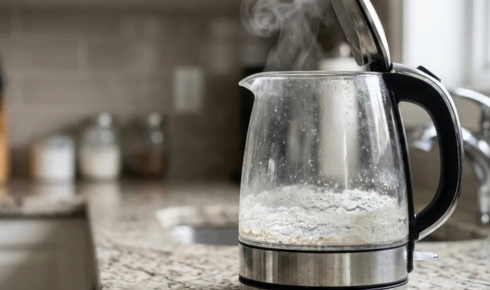
One of the most common culprits behind “off” water is the presence of hardness minerals. These are primarily calcium and magnesium, naturally occurring elements that dissolve into water as it moves through soil and rock.
They’re not harmful. In fact, they’re quite common. But they do change how water behaves.
Soap doesn’t lather the way you expect. Your skin might feel a bit dry after a shower. Over time, you’ll notice a chalky residue building up on taps, tiles, even inside appliances. It’s not dramatic, just persistent — the kind of thing that slowly wears you down.
And while it’s easy to live with, it’s also something many homeowners choose to address once they realize how much smoother things can be without it.
When Taste Becomes a Daily Distraction
Then there’s taste. It’s one of those things you can’t easily ignore. Water might look perfectly clear, but if it tastes slightly chemical or sharp, you’ll notice every time you take a sip.
This often comes down to chlorine taste issues. Chlorine is commonly used to disinfect water, keeping it safe from harmful bacteria. It does its job well, but it can leave behind a taste that not everyone enjoys.
Some people get used to it. Others never quite do.
The interesting part is how much this affects daily habits. You might find yourself reaching for bottled water more often. Or adding extra sugar to tea or coffee just to mask the flavor. Small adjustments, yes — but they add up over time.
The Smell That’s Hard to Ignore
If taste is noticeable, smell can be even more immediate. It hits you the moment you turn on the tap. And once you’ve noticed it, there’s no un-noticing.
Those unpleasant odors are often linked to iron sulfur odor problems, which can occur when certain natural elements or bacteria interact within your water system. The result? A smell that’s sometimes described as metallic, sometimes like rotten eggs.
It’s not exactly inviting.
Even if the water is technically safe, the experience of using it changes. You hesitate. You question. And that’s usually the point where people start looking for answers.
Why These Problems Show Up at All
Water issues don’t appear out of nowhere. They’re usually the result of natural processes or local conditions.
Groundwater sources, for example, tend to carry more minerals. Aging pipes can introduce additional elements. Seasonal changes can even affect how water tastes or smells.
In other words, your water is shaped by its environment — and that environment isn’t always consistent.
Understanding this helps shift your perspective. Instead of seeing water problems as random annoyances, you start to see them as patterns. And once you see the pattern, finding a solution becomes much easier.
Small Changes That Make a Big Difference
The good news? Most water issues are manageable.
You don’t need to overhaul your entire home system overnight. Often, a targeted solution is enough to make a noticeable improvement. A softener for mineral-heavy water. A filtration system to address taste. Specific treatments for odor-related concerns.
What matters is choosing the right approach for your situation.
And honestly, even small changes can feel surprisingly impactful. Water starts tasting better. Cleaning becomes less frustrating. Showers feel… well, more like they should.
Learning to Pay Attention (Without Overthinking It)
It’s easy to fall into the trap of overanalyzing everything once you start thinking about water quality. Every taste, every smell, every slight difference can feel like a problem that needs solving.
But it doesn’t have to be that way.
The goal isn’t perfection. It’s comfort. It’s confidence in something you use every day without having to second-guess it.
Pay attention, yes. But don’t let it become overwhelming. Most issues have straightforward explanations — and practical solutions.
Final Thoughts
Water is one of those things we expect to just work. No questions, no complications. And most of the time, it does.
But when it doesn’t, even in small ways, it’s worth listening.
Those little signs — the taste, the smell, the texture — they’re not random. They’re your water telling you something has changed.
And once you start paying attention, you’ll realize it’s not about chasing perfect water. It’s about creating a better everyday experience — one glass, one shower, one simple moment at a time.