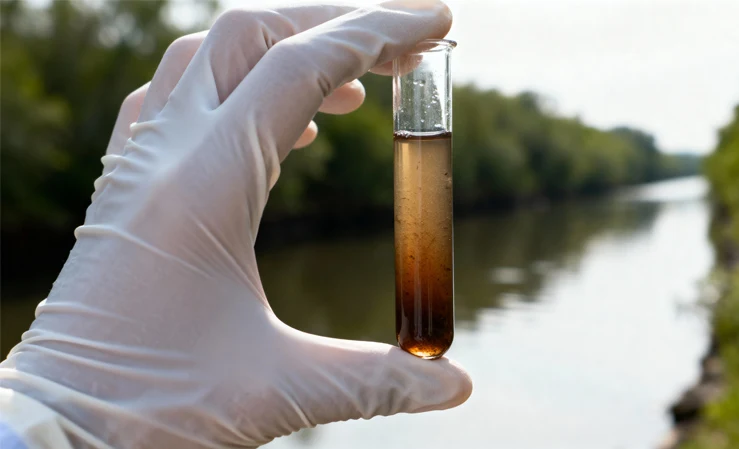

It usually begins quietly. A faint smell when you turn on the tap. A slight discoloration you convince yourself is just lighting. Maybe it’s nothing, you think. Maybe it’ll go away on its own.
But it doesn’t.
Water has this subtle way of getting your attention—not loudly, not urgently, but persistently. And once you notice it, you start seeing it everywhere. In your glass, your sink, even your shower.
That’s when curiosity turns into concern.
When Water Stops Feeling “Normal”
For most of us, water is something we trust without question. It’s just there, doing its job. But when something feels off, that trust wavers a little.
Sometimes, it’s a smell that’s hard to describe. Other times, it’s the way your fixtures start staining or your laundry doesn’t feel quite right anymore. These are small things, sure—but they add up.
And often, they point toward the need for water treatment, not as a dramatic fix, but as a thoughtful adjustment. It’s less about reacting to a crisis and more about improving what you rely on every single day.
The Hidden Life Inside Your Water
If you’ve ever lived in a home that relies on well water, you probably know it comes with its own personality. It’s not necessarily bad—in fact, it can be incredibly fresh and natural—but it’s also more unpredictable.
Groundwater can carry minerals, organic matter, even microscopic life forms. It’s not always visible, and that’s what makes it tricky.
There’s a certain responsibility that comes with using well water. You’re not just consuming it—you’re managing it.
When Smell Becomes a Clue
Let’s talk about that unmistakable rotten egg odor. If you’ve experienced it, you know exactly what I mean. It’s unpleasant, persistent, and hard to ignore.
That’s often linked to a sulfur smell, which can develop when hydrogen sulfide gas is present in the water. It’s not always dangerous in small amounts, but it definitely impacts how usable your water feels.
What’s interesting is how quickly this one issue can affect your entire routine. From drinking water to showering, everything feels just a bit off.
The Bacteria You Didn’t Expect
Then there’s something even less obvious—iron bacteria. Despite the name, it’s not always something people think about right away. It doesn’t necessarily make you sick, but it creates a slimy buildup and can lead to reddish or brownish stains.
Over time, it can clog pipes and reduce water flow. Again, nothing dramatic overnight. Just a slow, steady impact that builds until you can’t ignore it anymore.
And that’s often the pattern with water issues—they don’t rush. They linger.
The People Behind the Solutions
At some point, you realize this isn’t something you want to figure out alone. That’s where professionals step in—not just as problem-solvers, but as guides.
Behind every system upgrade or repair, there’s usually a dedicated service team working quietly to make things right. They’re the ones diagnosing issues, suggesting solutions, and making sure everything runs smoothly again.
It’s easy to overlook their role, but when things improve, you notice.
A Career That’s Closer to Home Than You Think
Interestingly, all of this points to a field that’s often underestimated. The world of technician jobs in water systems isn’t just about fixing pipes—it’s about understanding environments, chemistry, and real-life challenges people face every day.
These professionals don’t just install equipment. They interpret what your water is trying to tell you. And that takes skill, experience, and a certain kind of patience.
It’s one of those careers that quietly keeps homes functioning, without much recognition.
Small Changes That Make a Big Difference
Once the right adjustments are made—whether it’s filtration, treatment, or system upgrades—the difference is usually subtle but meaningful.
Water tastes cleaner. Smells disappear. Appliances last longer. You stop thinking about it altogether, which is, ironically, the goal.
Because when water works the way it should, it fades back into the background of your life.
A Thought That Stays With You
Water doesn’t demand your attention until something changes. And even then, it doesn’t shout. It just nudges you, gently, until you decide to listen.
Paying attention to those nudges isn’t overreacting. It’s being aware of something essential—something you use every single day without a second thought.
And when you do take the time to understand it, even just a little, the payoff isn’t dramatic.
It’s quieter than that.
Just better water. Better comfort. And a sense that things are working the way they should.