
There’s a certain kind of silence you get used to at home—the quiet hum of appliances doing their thing without interruption. You don’t really notice it… until something changes.
Maybe it’s the fridge sounding a bit louder than usual. Or maybe it’s not cold enough, even though the settings haven’t changed. It’s subtle at first, almost easy to ignore. But then you start paying attention, and suddenly, it’s all you can think about.
The First Signs Something Isn’t Right
Appliances rarely fail out of nowhere. They give hints—small ones, usually. The problem is, we’re often too busy to notice them.
One of the earliest indicators people tend to overlook is unusual noises. A clicking sound, a constant buzzing, or even a strange rattling can signal that something inside isn’t functioning the way it should. It might be a fan struggling, a compressor working overtime, or a loose component that’s been quietly shifting out of place.
At first, it’s tempting to brush it off. “It’ll be fine,” you tell yourself. But those sounds don’t usually go away on their own. If anything, they get louder—or worse, they stop completely, and that’s when things really go wrong.
When Cooling Isn’t Consistent
Another issue that creeps in slowly is temperature fluctuations. One day your fridge is perfectly chilled, the next day your milk doesn’t feel quite cold enough. It’s inconsistent, unpredictable.
This can be frustrating because it doesn’t feel like a clear-cut problem. The fridge still works… just not reliably.
Temperature inconsistency can stem from a variety of issues—faulty thermostats, blocked vents, or even worn-out door seals. Sometimes it’s something simple, like overloading the fridge and restricting airflow. Other times, it points to deeper mechanical trouble.
Either way, ignoring it can lead to food spoilage, higher energy bills, and eventually, a complete breakdown.
Knowing When to Call for Help
There’s always that moment of hesitation. Should you try fixing it yourself? Should you wait a few days and see if it improves?
Sometimes, waiting makes sense. But often, it just delays the inevitable.
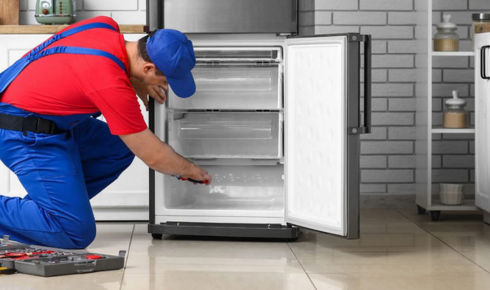
That’s where professional refrigerator repair services come into the picture. Not as a last resort, but as a practical step to prevent things from getting worse. A trained technician can identify the root cause quickly, something that might take you hours—or days—to figure out on your own.
And more importantly, they can fix it properly.
The DIY Dilemma
We live in a time where tutorials are everywhere. Fixing things yourself has become almost second nature. And to be fair, some minor issues can be handled without professional help.
Cleaning condenser coils, checking power connections, making sure vents aren’t blocked—these are all things you can do safely.
But once it involves internal components, wiring, or refrigerant systems, it gets complicated. And a small mistake can turn a manageable issue into a costly one.
It’s not about avoiding DIY altogether—it’s about knowing where to draw the line.
Why Early Action Matters
One of the biggest mistakes people make is waiting too long. A fridge that’s slightly off today might stop working entirely tomorrow. And when that happens, it’s not just the appliance you lose—it’s everything inside it.
Food waste, emergency replacements, unexpected expenses—it all adds up quickly.
Acting early doesn’t just save money, it saves time and stress. It gives you options, instead of forcing you into quick, often expensive decisions.
The Experience of a Good Repair
Not all repair experiences are the same. Some feel rushed, transactional. Others feel thoughtful, almost reassuring.
A good technician doesn’t just fix the issue—they explain it. They help you understand what went wrong, what was done to fix it, and how to avoid similar problems in the future.
It’s a small thing, but it builds confidence. You’re not left guessing or worrying about what might happen next.
Small Habits That Make a Difference
Interestingly, a lot of common fridge issues can be prevented with simple habits. Not overloading shelves, keeping the door seals clean, checking temperature settings occasionally—these small actions go a long way.
Regular maintenance doesn’t have to be complicated. It’s more about awareness than effort.
And when you combine that with timely repairs, you extend the life of your appliance significantly.
Final Thoughts: Listening to the Signals
At the end of the day, your fridge is always communicating—just not in words. It hums, clicks, cools, and sometimes struggles. The key is paying attention.
Those little changes, the ones we tend to ignore, are often early warnings. And catching them early can save you from bigger headaches later.