
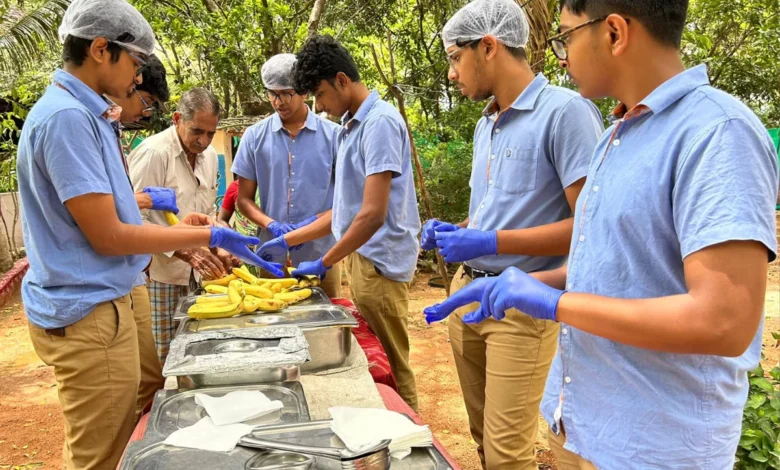
A great community is not built only through roads, buildings, or modern facilities. It is built through people helping each other, sharing responsibilities, and creating an environment where everyone feels supported. Behind every safe neighborhood, active town, and connected society, there are countless efforts that often go unnoticed. These efforts help people during difficult moments and make everyday life smoother.
From supporting families in need to improving public spaces, community services have become an essential part of modern society. They connect individuals with valuable resources and create opportunities for people to participate in making their surroundings better. A community becomes stronger when people know they are not alone and that support is available when challenges appear.
The Real Meaning Behind Community Support
When people hear the word “community,” they often think about a place where they live. But a true community is much more than a location. It is a network of relationships, shared values, and mutual support. Whether it is a small neighborhood or a large city, people depend on each other in many ways.
Community support can take many forms. It may include programs for seniors, educational assistance for children, food support for struggling families, environmental activities, or resources for people facing unexpected hardships. These services provide practical help, but they also create something equally important — a sense of belonging.
Sometimes, a simple helping hand can make a huge difference. A local volunteer checking on an elderly resident or a community group organizing a cleanup event may seem like small actions, but they contribute to a stronger and more connected society.
How Reliable Services Build Public Trust
Trust is one of the most valuable parts of any community system. People need confidence that the organizations and programs designed to help them will actually deliver when required. Whether someone needs emergency assistance, information, or ongoing support, consistency matters.
A reliable service creates confidence because people know what to expect. It means responding on time, communicating clearly, and treating every person with respect. This reliability encourages more residents to seek help when they need it instead of ignoring problems until they become bigger.
Good service is not only about completing a task. It is about understanding the people behind each request. A family looking for assistance, a senior citizen needing support, or a resident reporting a local issue all deserve attention and care.
Organizations that focus on reliability often become trusted parts of the community. Over time, this trust creates stronger relationships between residents and service providers.
The Connection Between Citizens and Local Authorities
Communities grow best when residents and public institutions work together. While individuals can create positive changes through personal efforts, larger improvements often require planning, resources, and organized action.
The local government plays an important role in maintaining essential services and supporting community development. Public transportation, waste management, infrastructure improvements, safety programs, and social initiatives all influence how people experience daily life.
However, effective community growth is not the responsibility of government alone. Residents also have an important role. Sharing feedback, participating in local programs, following community guidelines, and supporting improvement projects help create better outcomes.
When citizens and authorities communicate openly, problems can be identified faster and solutions can be developed more effectively. A strong partnership between the public and government creates a foundation for long-term progress.
Why Community Involvement Matters Today
Modern life has become increasingly busy. Many people spend most of their time working, managing family responsibilities, or using digital platforms for communication. While technology has made many things easier, it has also reduced some face-to-face interactions.
Community involvement brings back the human connection that people naturally need. Local events, volunteer activities, and neighborhood projects give people opportunities to meet others and develop meaningful relationships.
These connections can also improve safety. Neighbors who know each other are often more likely to notice unusual situations, support vulnerable residents, and cooperate during emergencies.
A connected community is not created overnight. It grows slowly through regular interactions, shared experiences, and people choosing to participate instead of staying disconnected.
Improving Quality of Life Through Collective Efforts
One of the biggest advantages of strong community systems is the improvement in overall quality of life. When residents have access to necessary resources and support networks, they can handle challenges more effectively.
For example, educational programs can help young people build better futures. Health-related initiatives can encourage healthier lifestyles. Environmental projects can make neighborhoods cleaner and more enjoyable. Each effort contributes to creating a place where people can thrive.
Even businesses and organizations benefit from stronger communities. A positive local environment attracts investment, encourages cooperation, and creates opportunities for growth.
The success of a community is often measured not only by economic progress but also by how well it supports the people who live there.
Building Communities That Last for Future Generations
Creating a better community requires patience, commitment, and teamwork. It is not about one person or one organization making all the changes. Lasting improvement happens when many people contribute in different ways.
Small actions often create long-term results. Attending local meetings, helping a neighbor, supporting community programs, or simply showing kindness can influence the environment around us.
The communities of the future will depend on how people act today. By encouraging cooperation, maintaining dependable support systems, and investing in shared well-being, societies can become stronger and more resilient.
At the end of the day, a community is defined by the people within it. Buildings and streets may create a place, but compassion, responsibility, and connection create a home.
