
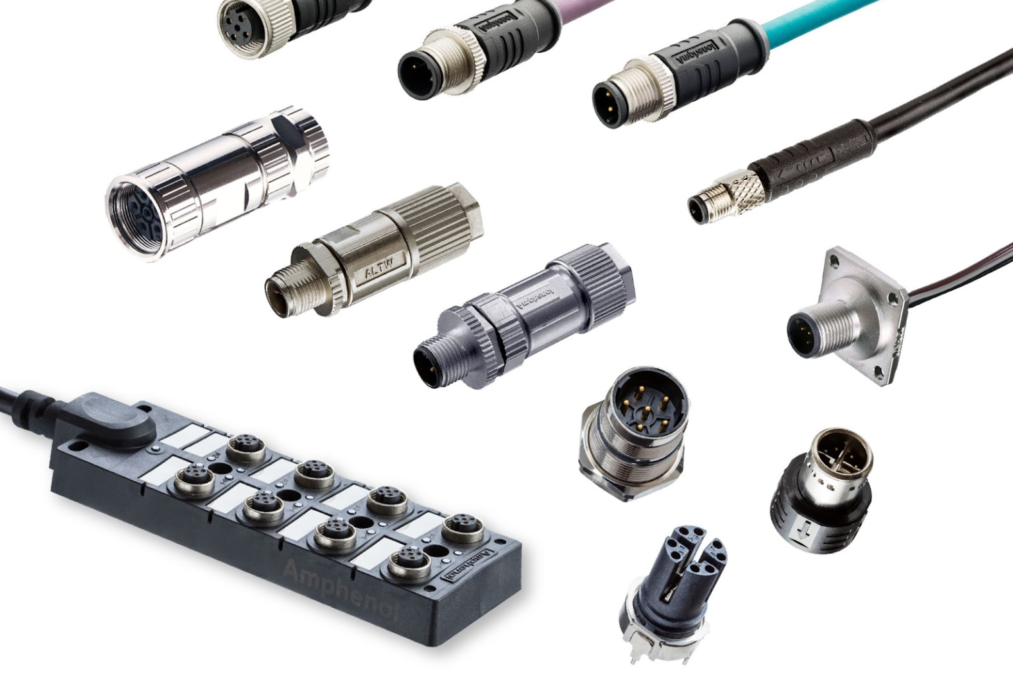
Industrial facilities rely heavily on stable electrical connectivity to support automation systems, heavy machinery, and digital communication networks. However, not all connectors are designed to handle the same operating conditions.
One of the most important distinctions in industrial electrical infrastructure is the difference between IP rated connectors and standard connectors. Understanding this difference helps engineers select the correct industrial connectors for safety, durability, and long-term operational reliability.
Manufacturers such as Allied Connectors develop ruggedized connector systems specifically designed to perform reliably in demanding industrial environments where environmental protection is critical.
Understanding IP Ratings
The term IP stands for Ingress Protection. It is an internationally recognized standard used to measure how effectively a connector or enclosure resists intrusion from dust and moisture.
An IP rating is represented by two numerical digits. The first digit measures protection against solid particles such as dust and debris. The second digit measures resistance to liquids ranging from water splashes to full submersion.
For example, an IP67 rated connector is fully protected against dust ingress and can safely withstand temporary immersion in water.
What Standard Connectors Are Designed For
Standard connectors are generally intended for controlled indoor environments where exposure to moisture, dust, vibration, and chemicals is limited.
These connectors may perform effectively in office electronics, protected control rooms, or low-risk commercial applications. However, they typically lack advanced sealing systems, reinforced housings, and environmental protection mechanisms.
When standard connectors are installed in aggressive industrial conditions, the risk of corrosion, signal instability, and electrical failure increases significantly.
Why IP Rated Connectors Matter in Industrial Environments
Manufacturing facilities expose electrical systems to continuous environmental stress. Dust accumulation, chemical washdowns, oil exposure, and heavy vibration place enormous pressure on connector reliability.
IP rated industrial connectors use sealing gaskets, compression systems, and durable housings to block environmental contaminants from reaching sensitive internal contacts.
This additional protection helps maintain stable electrical performance, improve sensor connection reliability, and reduce unexpected downtime.
Industries such as manufacturing, railways, automation, mining, and renewable energy rely heavily on ruggedized connectors with high IP ratings to maintain operational continuity.
The Role of Circular Connectors in Environmental Protection
Circular connectors are widely preferred in harsh industrial environments because their cylindrical geometry naturally supports stronger environmental sealing.
The threaded coupling mechanism compresses internal gaskets evenly across the mating surface, creating highly secure protection against moisture and debris.
This makes circular connectors particularly effective for industrial automation systems, outdoor machinery, and heavy-duty power applications.
Mechanical Durability and Long-Term Performance
Another major difference between IP rated connectors and standard connectors is long-term durability.
IP rated industrial connectors are often designed with reinforced metal housings, vibration-resistant locking systems, and corrosion-resistant materials. These features help maintain reliable performance under continuous mechanical stress.
Standard connectors are rarely engineered for this level of environmental or mechanical endurance.
Companies such as Allied Connectors support industrial operations with connector systems specifically engineered for long operational life, stable power and signal connectors performance, and harsh industrial conditions.
Choosing the Correct Connector for the Application
Selecting the right connector depends entirely on the operating environment. For clean and protected spaces, standard connectors may provide adequate performance.
However, industrial systems exposed to dust, vibration, moisture, or heavy mechanical loads require IP rated industrial connectors and ruggedized connectors designed for environmental protection.
Understanding the difference between these connector types helps facilities improve safety, reduce maintenance costs, and maintain stronger operational reliability across automated systems.