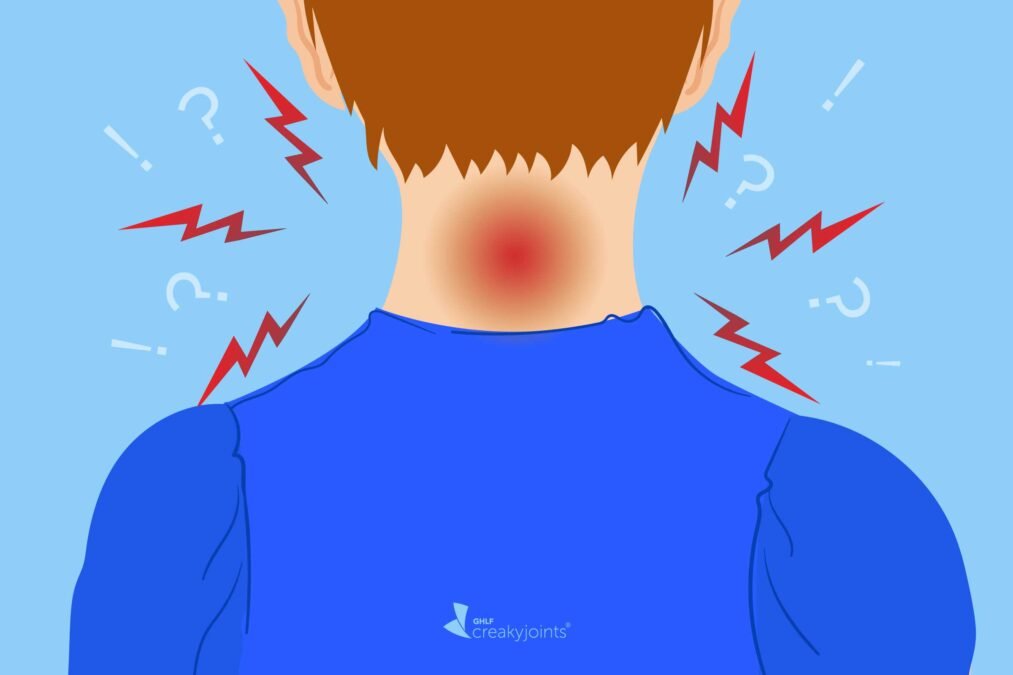
It rarely starts dramatically. There is no single defining moment when back pain announces that it has arrived for good. Instead, it creeps in: a twinge that becomes a daily presence, a stiffness that stops clearing by mid-morning, a dull ache that eventually begins shaping every choice made about how to sit, stand, sleep, and move.
The journey from first noticing spinal discomfort to genuinely addressing it is, for most people, far longer than it should be. This is not a matter of carelessness. It reflects a deeply human tendency to normalise discomfort, to absorb it into the daily routine rather than confront it, and to postpone the decision that might change things. Understanding why this pattern happens so predictably, and what the turning points look like, is the first step toward shortening that journey.
Stage One: The Rationalisation Phase
In the early weeks of significant back discomfort, rationalisation is the dominant response. The pain is attributed to a particularly intense workout, an awkward sleeping position, a stressful week, or the natural consequence of getting older. All of these explanations may carry some truth. None of them addresses what is actually happening in the spine.
During this phase, the strategies most people reach for – rest, over-the-counter pain relief, and heat – are the same regardless of the underlying cause. For a straightforward muscle strain, they are sometimes sufficient. For anything involving disc stress, nerve irritation, or postural dysfunction, they provide temporary quieting of symptoms while the structural problem continues to evolve.
Stage Two: The Adaptation Phase
The adaptation phase is where back pain begins to genuinely reshape daily life, often without the person fully realising it is happening. Certain chairs are now chosen over others. Long drives are pre-medicated with ibuprofen. Standing at a social event becomes something that requires active management. Mornings follow a particular ritual of careful movement before the spine is ready to cooperate.
These adaptations are remarkably effective at allowing people to function, which is precisely what makes them dangerous. Functional compensation masks the progressive nature of the underlying problem. The spine continues to change. The adaptations quietly multiply.
Stage Three: The Recognition Moment
The recognition moment, when the person finally acknowledges that what they are managing is not something that will resolve on its own, typically arrives in one of two ways. Either symptoms escalate to a level that cannot be adapted around, or a particular episode, perhaps a night of unbroken pain or a leg that goes numb during a routine walk, creates sufficient alarm to prompt action.
By this point, the spinal condition is usually more established than it would have been had intervention come earlier. The disc has lost more height, the compensatory muscle patterns are more entrenched, and the nervous system has had longer to adapt toward a sensitised pain response. Recovery is still achievable. It simply requires more of it.
What the Turning Point Towards Recovery Looks Like
Effective spinal care begins with accurate assessment rather than generic treatment. At clinics like ANSSI Wellness, the starting point is identifying exactly what structural changes are driving the pain and which therapeutic approach addresses that specific cause. This is the foundational shift that separates genuine recovery from ongoing management.
Non-surgical spinal decompression, targeted physiotherapy, and postural correction are not applied uniformly. They are sequenced and adapted to each patient’s specific presentation. This is why the same condition can produce very different treatment plans for different people, and why personalised care consistently outperforms standardised protocols.
Conclusion: The Journey Does Not Have to Be This Long
The typical back pain journey, from first symptoms to effective treatment, spans months to years unnecessarily. The biology of spinal recovery strongly favours earlier intervention: less structural change to reverse, less compensation to retrain, less nervous system sensitisation to recalibrate. Every stage of the journey described above is recognisable in retrospect. The goal is to recognise it in real time, before the adaptation phase has quietly narrowed the options.